
Skip to content

This new research suggests possible future treatments in treating urinary tract infections (UTIs) by manipulating the person's diet and so influencing gut microbes and urinary pH (how acidic is the urine). These possible future treatments are different than what others are looking for, which are bacteria (probiotics) that one can take to prevent or treat UTIs. (Earlier posts on treating UTIs are here and here,)

The researchers found that during UTIs, humans secrete siderocalin which helps the body fight infection by depriving bacteria of iron (a mineral necessary for bacterial growth), and that samples that were less acidic, and closer to the neutral pH of pure water, showed higher activity of the protein siderocalin and were better at restricting bacterial growth than the more acidic samples.

The researchers found that the presence of small metabolites called aromatics, which vary depending on a person's diet, also contributed to variations in bacterial growth. Samples that restricted bacterial growth had more aromatic compounds, and urine that permitted bacterial growth had fewer. Stay tuned for follow-up research. 

One of the researchers, Dr. Jeffrey P. Henderson, pointed out that physicians already know how to raise urinary pH with things like calcium supplements, and alkalizing agents are already used in the U.K. as over-the-counter UTI treatments. But knowing how to encourage the metabolites is trickier, but will involve dietary changes. Some good food sources include those rich in antioxidants: coffee, tea, colorful berries, cranberries, and red wine.

From Science Daily: A person's diet, acidity of urine may affect susceptibility to UTIs

The acidity of urine -- as well as the presence of small molecules related to diet -- may influence how well bacteria can grow in the urinary tract, a new study shows. The research may have implications for treating urinary tract infections, which are among the most common bacterial infections worldwide. Urinary tract infections (UTIs) often are caused by a strain of bacteria called Escherichia coli (E. coli), and doctors long have relied on antibiotics to kill the microbes. But increasing bacterial resistance to these drugs is leading researchers to look for alternative treatment strategies.

"Many physicians can tell you that they see patients who are particularly susceptible to urinary tract infections," said senior author Jeffrey P. Henderson​, MD, PhD,...With this in mind, Henderson and his team, including first author Robin R. Shields-Cutler, a graduate student in Henderson's lab, were interested in studying how the body naturally fights bacterial infections. They cultured E. coli in urine samples from healthy volunteers and noted major differences in how well individual urine samples could harness a key immune protein to limit bacterial growth. "We could divide these urine samples into two groups based on whether they permitted or restricted bacterial growth," Henderson said. "Then we asked, what is special about the urine samples that restricted growth?"

The urine samples that prevented bacterial growth supported more activity of this key protein, which the body makes naturally in response to infection, than the samples that permitted bacteria to grow easily. The protein is called siderocalin, and past research has suggested that it helps the body fight infection by depriving bacteria of iron, a mineral necessary for bacterial growth. Their data led the researchers to ask if any characteristics of their healthy volunteers were associated with the effectiveness of siderocalin.

"Age and sex did not turn out to be major players," Shields-Cutler said. "Of all the factors we measured, the only one that was really different between the two groups was pH -- how acidic or basic the urine was."Henderson said that conventional wisdom in medicine favors the idea that acidic urine is better for restricting bacterial growth. But their results were surprising because samples that were less acidic, closer to the neutral pH of pure water, showed higher activity of the protein siderocalin and were better at restricting bacterial growth than the more acidic samples.

Importantly, the researchers also showed that they could encourage or discourage bacterial growth in urine simply by adjusting the pH, a finding that could have implications for how patients with UTIs are treated.

"Physicians are very good at manipulating urinary pH," said Henderson, who treats patients with UTIs. "If you take Tums, for example, it makes the urine less acidic. But pH is not the whole story here. Urine is a destination for much of the body's waste in the form of small molecules. It's an incredibly complex medium that is changed by diet, individual genetics and many other factors."

After analyzing thousands of compounds in the samples, the researchers determined that the presence of small metabolites called aromatics, which vary depending on a person's diet, also contributed to variations in bacterial growth. Samples that restricted bacterial growth had more aromatic compounds, and urine that permitted bacterial growth had fewer.

Henderson and his colleagues suspect that at least some of these aromatics are good iron binders, helping deprive the bacteria of iron. And perhaps surprisingly, these molecules are not produced by human cells, but by a person's gut microbes as they process food in the diet."Our study suggests that the body's immune system harnesses dietary plant compounds to prevent bacterial growth," Henderson said. "We identified a list of compounds of interest, and many of these are associated with specific dietary components and with gut microbes."

Indeed, their results implicate cranberries among other possible dietary interventions. Shield-Cutler noted that many studies already have investigated extracts or juices from cranberries as UTI treatments but the results of such investigations have not been consistent.


Drawing of colon seen from front (the appendix is colored red). Credit: Wikipedia.

For more than 100 years, the standard treatment for appendicitis has been surgery. Now a large Finnish study provides the best evidence to date that most patients can be treated with antibiotics alone.

How did the usual treatment of doing an appendectomy (appendix removal) arise? In 1886 Dr. Reginald Fitz, while investigating pelvic infections (which resulted in many deaths in those days), decided that an inflamed appendix progresses from a mild inflammation, to gangrene, then perforation, which would result in pelvic abscess.

This reason for an appendectomy (that it would prevent serious infection) became established in medical thought and still guides appendicitis management today. But nowadays we have antibiotics! And the researchers noted that some cases resolved on their own without any treatment.

And instead of the prevailing view for many years that the appendix is a "vestigial organ with no purpose",  it turns out that the appendix has a great reason for existence. It seems to provide a safe haven for good bacteria when gastrointestinal illness flushes those bacteria from the rest of the intestines. This reservoir of gut microbes then repopulates the digestive system following the illness.

It makes me wonder why some people get appendicitis and others don't - do they have inflammation for some reason so that their bacterial communities are out of whack (dysbiosis)? Would dietary changes help prevent recurrences?

From the NY Times: Antibiotics Are Effective in Appendicitis, Study Says

For more than 100 years, the standard treatment for appendicitis has been surgery. Now a large Finnish study provides the best evidence to date that most patients can be treated with antibiotics alone. The study, published Tuesday in JAMA, involved 530 patients aged 18 to 60 who agreed to have their treatment — antibiotics or surgery — decided at random. Three out of four who took antibiotics recovered easily, the researchers found. And none who had surgery after taking antibiotics were worse off for having waited.

The new study comes amid growing questions about the routine use of surgery to treat appendicitis, which strikes about 300,000 Americans a year, afflicting one out of 10 adults at some point in their lives.

The results only apply to uncomplicated appendicitis, stressed Dr. Paulina Salminen, a surgeon at Turku University Hospital in Finland and lead author of the new study. She and her colleagues excluded from their trial the 20 percent of patients with complicated cases — people with perforated appendices or abdominal abscesses, and those with a little, rock like blockage of the appendix called an appendicolith.

In the 1950s, soon after antibiotics were discovered, some doctors reported success using them to treat patients with appendicitis. But, Dr. Livingston wrote in his editorial, “So powerful is the perceived benefit of appendectomy for appendicitis that surgical treatment for appendicitis remains unquestioned, with seemingly little interest in studying the problem.”

Dr. Livingston also found that most appendices that perforate have already done so by the time the patient shows up at an emergency room. Those that have not perforated when the patient seeks medical help almost never do so. People with so-called uncomplicated appendicitis, he concluded, seem to have a different disease — one that can be treated with antibiotics.

“The reason we take the appendix out and do it as an emergency is the belief, dating back to 1886, that the appendix will eventually become gangrenous and cause a pelvic abscess,” Dr. Livingston said.

Even with the results of the Finnish study, many questions remain. A person who has had one episode of appendicitis is at higher than usual risk for another....Accumulating data has led other experts to raise an even more controversial idea: Perhaps antibiotics aren’t always necessary, either. It is possible, some researchers say, that most people with appendicitis would get better on their own if doctors did nothing. The Finnish team is now planning a clinical trial to test that theory.

Could this be true? Eating fermented foods linked to fewer social anxiety symptoms? Fifteen years ago before the world of bacteria could be explored with state of the art genetic tests, this would have sounded too woo-woo. And now we say - could be. Next the researchers will test an experimental version of this study to see if they find causation. Right now all we can say they are linked or that we see an association.

But note that exercise also reduced social anxiety (this was also a finding in other studies). From Science Daily:

Decreased social anxiety among young adults who eat fermented foods

A possible connection between fermented foods, which contain probiotics, and social anxiety symptoms, is the focus of recent study...The researchers found that young adults who eat more fermented foods have fewer social anxiety symptoms, with the effect being greatest among those at genetic risk for social anxiety disorder as measured by neuroticism. "It is likely that the probiotics in the fermented foods are favorably changing the environment in the gut, and changes in the gut in turn influence social anxiety," said Hilimire. "I think that it is absolutely fascinating that the microorganisms in your gut can influence your mind."

The researchers designed a questionnaire that was included in a mass testing tool administered in the university's Introduction to Psychology courses during the fall 2014 semester; about 700 students participated. The questionnaire asked students about the fermented foods over the previous 30 days; it also asked about exercise frequency and the average consumption of fruits and vegetables so that the researchers could control for healthy habits outside of fermented food intake, said Hilimire.

"The main finding was that individuals who had consumed more fermented foods had reduced social anxiety but that was qualified by an interaction by neuroticism. What that means is that that relationship was strongest amongst people that were high in neuroticism," Hilimire said.The secondary finding was that more exercise was related to reduced social anxiety

"However, if we rely on the animal models that have come before us and the human experimental work that has come before us in other anxiety and depression studies, it does seem that there is a causative mechanism," said Hilimire. "Assuming similar findings in the experimental follow-up, what it would suggest is that you could augment more traditional therapies (like medications, psychotherapy or a combination of the two) with fermented foods -- dietary changes -- and exercise, as well."

This month more research from researcher JJ Goedert about gut microbes in postmenopausal women and breast cancer. Very suggestive research was published September 2014 about the possibility of increasing a person's gut bacteria diversity to lower breast cancer risk. And even earlier research found that the human breast has a microbiome (community of microbes) that is different in healthy breasts as compared to cancerous breasts.

Now JJGoedert and others investigated whether the gut microbiota differed in 48 postmenopausal breast cancer case patients (before treatment) as compared to 48 control patients (women without breast cancer). The average age of both groups was 62 years.The researchers analyzed the estrogens in the women's urine and the bacterial diversity in fecal samples using modern genetic analysis (such as 16S rRNA sequencing). They found in this study that postmenopausal women with breast cancer had lower gut bacteria diversity and somewhat different composition of gut bacteria as compared to women without breast cancer. They also said that what this means is unknown, that is,"whether these affect breast cancer risk and prognosis is unknown." Some differences in gut bacteria composition: women with breast cancer had lower levels of Clostridiaceae, Faecalibacterium, and Ruminococcaceae; and they had higher levels of Dorea and Lachnospiraceae.

Excerpt is from the Journal of the National Cancer Institute:

Investigation of the association between the fecal microbiota and breast cancer in postmenopausal women: a population-based case-control pilot study.

We investigated whether the gut microbiota differed in 48 postmenopausal breast cancer case patients, pretreatment, vs 48 control patients. Microbiota profiles in fecal DNA were determined by Illumina sequencing and taxonomy of 16S rRNA genes. Estrogens were quantified in urine....  Compared with control patients, case patients had statistically significantly altered microbiota composition  and lower α-diversity. Adjusted for estrogens and other covariates, odds ratio of cancer was 0.50 per α-diversity tertile. Differences in specific taxa were not statistically significant when adjusted for multiple comparisons. This pilot study shows that postmenopausal women with breast cancer have altered composition and estrogen-independent low diversity of their gut microbiota. Whether these affect breast cancer risk and prognosis is unknown.

New research shows that wearing contact lenses could significantly change the bacteria of the eye’s surface, making it more susceptible to infection. NYU Langone Medical Center researchers analyzed swabs from both contact-wearers and non-wearers to determine the number and type of bacterial species that lived on the surface of their eyes—the eye’s microbiome as well as the skin below the eye.
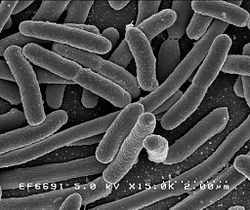
They found that the eye microbiome of contact lens wearers is more similar in composition to the microbiome of their skin than the eye microbiome of non-lens wearers.

Note that infections often come when people don’t take proper care of their lenses—sleeping in them overnight, or not cleaning them well or often enough so most eye doctors have shifted to recommending daily lenses. 

From Medical News Today: Alterations to the eye microbiome of contact lens wearers may increase infections

Contact lens wearers - ever wondered why you are more likely to experience eye infections than your contacts-less friends? Researchers from NYU Langone Medical Center in New York City think they may have found the answer, in a study that used high-precision genetic tests to map the human microbiome....the NYU Langone researchers report that micro-organisms residing in the eyes of people who wear contact lenses daily more closely resemble micro-organisms residing in eyelid skin than the bacteria usually found in the eyes of people who do not wear contacts.

The researchers took hundreds of swabs of different parts of the eye, including the skin directly beneath the eye. Genetic analysis of swabs and used contact lenses allowed the team to identify which bacteria were present. Comparing nine contact lens wearers with 11 non-contacts users, the team found three times the usual proportion of the bacteria Methylobacterium, Lactobacillus, Acinetobacter and Pseudomonas on the eye surfaces (conjunctiva) of contact lens wearers than on the eye surfaces of the control group.

Examining the bacterial diversity using a plotted graph, the team observed that the eye microbiome of contact lens wearers is more similar in composition to the microbiome of their skin than the eye microbiome of non-lens wearers

Interestingly, the researchers say, Staphylococcus bacteria was found in greater amounts in the eyes of non-lens wearers. Staphylococcus is linked with eye infections, but is usually more prominent on the skin. However, the researchers are unable to explain why non-lens wearers have greater amounts of this bacteria, despite this group traditionally having fewer eye infections than people who wear contacts.

Study author Dr. Jack Dodick, professor and chair of ophthalmology at NYU Langone, says:"There has been an increase in the prevalence of corneal ulcers following the introduction of soft contact lenses in the 1970s. A common pathogen implicated has been Pseudomonas. This study suggests that because the offending organisms seem to emanate from the skin, greater attention should be directed to eyelid and hand hygiene to decrease the incidence of this serious occurrence."

Interesting, but very preliminary observational research, and there could be various explanations for the results suggesting that the microbiome (community of microbes) of a toddler's gut may influence their behavior. The researchers did not think these differences were diet related, but they had not studied the diet in depth. From Science Daily:

Toddler temperament could be influenced by different types of gut bacteria

The microbiome of a toddler's gut may influence their behavior, a new study suggests. Researchers from The Ohio State University studied microbes from the gastrointestinal tracts of children between the age of 18 and 27 months, and found that the abundance and diversity of certain bacterial species appear to impact behavior, particularly among boys. The correlation exists even after the scientists factored in history of breastfeeding, diet and the method of childbirth -- all of which are known to influence the type of microbes that populate a child's gut. 

Christian and study co-author, microbiologist Michael Bailey, PhD, studied stool samples from 77 girls and boys, and found that children with the most genetically diverse types of gut bacteria more frequently exhibited behaviors related with positive mood, curiosity, sociability and impulsivity. In boys only, researchers reported that extroverted personality traits were associated with the abundances of microbes from the Rikenellaceae and Ruminococcaceaefamilies and Dialister and Parabacteroides genera.

"There is definitely communication between bacteria in the gut and the brain, but we don't know which one starts the conversation," said Dr. Bailey...Overall, associations of temperament with the gut microbiome in girls were fewer and less consistent than boys. However, in girls, behaviors like self-restraint, cuddliness and focused attention were associated with a lower diversity of gut bacteria, while girls with an abundance of Rikenellaceae appeared to experience more fear than girls with a more balanced diversity of microbes.

To identify correlations between gut bacteria and temperament, researchers asked mothers to assess kid's behavior using a questionnaire which measures 18 different traits that feed into three composite scales of emotional reactivity: Negative Affect, Surgency/Extraversion and Effortful Control. Scientists looked at the different genetic types and relative quantity of bacteria found in the toddler's stool samples along with their diets.

Similar to other child behavior studies, researchers separated their findings by gender to analyze temperament. Overall, the study found few differences in the abundance and types of gut microbiota between girls and boys.Both researchers say that parents shouldn't try to change their child's gut microbiome just yet. Scientists still don't know what a healthy combination looks like, or what might influence its development.

2

How does the medical profession currently view probiotics in the prevention and treatment of urinary tract infections (UTIs), especially recurrent infections? Answer: Only a few studies have been done, but what little is known is promising, which is good because traditional antibiotic treatment has problems (especially antibiotic resistance).
The following article excerpts are from Medscape. Medscape is a popular web resource for physicians and health professionals. It features peer-reviewed original medical journal articles, daily medical news, drug information, etc. To read the entire article without registering with Medscape (registration is free for everyone), just Google the title and then click on it.

From Medscape: Probiotics in Preventing Recurrent Urinary Tract Infections in Women: A Literature Review

Increasing antibiotic resistance and increasing resistance to commonly used antibiotics makes treatment and prevention of urinary tract infections difficult. Although more research is needed, probiotics should be considered a useful and safe alternative to antibiotics. Urinary tract infections (UTIs) are one of the most common bacterial infections in women, accounting for over 6 million primary care visits annually (Zak, 2014). Approximately 50% to 60% of women will develop a UTI in their lifetime...  ...continue reading "Studies Look at Probiotics in Preventing Urinary Tract Infections"

In a newly published study looking at how infant gut microbes change over time, once again babies had differences in gut bacteria depending on whether they were delivered vaginally or by Cesarean section.
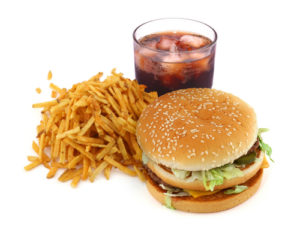
But what's interesting is that stopping breastfeeding changed their gut bacteria  more (to more adult-like species) than just introducing solid foods. Certain types of bacteria thrive on the nutrients breast milk provides and once these nutrients are no longer available, then other bacteria emerge that are more commonly seen in adults. In other words, stopping breastfeeding seems to drive "maturation" of the gut bacteria.

From The Scientist: Maturation of the Infant Microbiome

Like babies themselves, the intestinal microbiomes of infants start out in an immature state and over time grow into communities similar to those of adults. In a new survey of 98 Swedish babies whose microbiota were sampled several times during their first year of life, researchers found that the microbiomes of breastfed infants persisted in a “younger” state longer than those of non-breastfed babies, even after the introduction of solid foods.

The conclusion that “stopping breastfeeding—rather than introducing solids—drives maturation is a new idea, because we all thought so far that solids introduction was a key factor in changing the microbiota,” said Maria Gloria Dominguez-Bello, a microbiologist at New York University School of Medicine who did not participate in the study.

Researchers from University of Gothenburg in Sweden and their colleagues found more adult-like taxa in the microbiomes of babies who stopped breastfeeding earlier, while the microbiota of babies breastfed for longer were dominated by bacteria present in breastmilk. The results, published today (May 13) in Cell Host & Microbe, are part of an effort to catalog the microbial changes that occur as children age and to note how those changes correlate with health and disease. Fredrik Bäckhed of Gothenburg and his colleagues collected stool samples from 98 moms and their newborns, and again sampled the babies’ stool at four and 12 months.

Confirming previous work, his team’s analysis found that the 15 babies born via cesarean section were colonized by different bacteria—many from oral and skin communities—than babies born vaginally, who shared numerous microbes with those present in their mothers’ stool.

For instance, in the vaginally delivered newborns’ microbiomes, genes that break down sugars in breastmilk were common. As these babies celebrated their first birthdays, the genes in their microbiomes favored the ability to breakdown starches, pectins, and more complex sugars.

“What’s nice about this paper is that they show this maturation [of the microbiome] in normal, healthy kids in a Western population follows this transition based on diet,” said Steven Frese, a postdoc at the University of California, Davis, who penned a commentary accompanying the study with his advisor, David Mills. “Being exposed to new foods promotes the growth of new bacteria that can consume them,” Frese told The Scientist.

Amusing but also scary. The negative effects on the gut microbes of one person consuming an all fast food diet for 10 days occurred very quickly, and his gut microbes did not recover even 2 weeks after the fast food diet ended. Biggest problem seemed to be loss of gut diversity - about 40% of his gut bacterial species. Loss of gut diversity is considered a sign of ill health. Written by Tim Spector, with Tom Spector's assistance, from The Conversation:

Your gut bacteria don’t like junk food – even if you do

When Morgan Spurlock famously spent a month eating large portions of McDonalds for the purposes of his documentary Supersize Me, he gained weight, damaged his liver and claimed to have suffered addictive withdrawal symptoms. This was popularly attributed to the toxic mix of carbs and fat plus the added chemicals and preservatives in junk foods. But could there be another explanation?

We may have forgotten others who really don’t enjoy fast food. These are the poor creatures that live in the dark in our guts. These are the hundred trillion microbes that outnumber our total human cells ten to one and digest our food, provide many vitamins and nutrients and keep us healthy. 

For the sake of science and research for my book The Diet Myth, I have been experimenting with several unusual diets and recorded their effects on my gut microbes...My son Tom, a final year student of genetics at the University of Aberystwyth suggested an additional crucial experiment: to track the microbes as they changed from an average western diet to an intensive fast food diet for over a week.

I wasn’t the ideal subject since I was no longer on an average diet, but Tom, who like most students enjoyed his fast food, was. So he agreed to be the guinea pig on the basis that I paid for all his meals and he could analyse and write up his results for his dissertation. The plan was to eat all his meals at the local McDonalds for ten days. He was able to eat either a Big Mac or Chicken nuggets, plus fries and Coke. For extra vitamins he was allowed beer and crisps in the evening. He would collect poo samples before, during and after his diet and send them to three different labs to check consistency.

While it was clear the intensive diet had made him feel temporarily unwell, we had to wait a few months for the results to arrive back....They all told the same story: Tom’s community of gut microbes (called a microbiome) had been devastated.

Tom’s gut had seen massive shifts in his common microbe groups for reasons that are still unclear. Firmicutes were replaced with Bacteroidetes as the dominant type, while friendly bifidobacteria that suppress inflammation halved. However the clearest marker of an unhealthy gut is losing species diversity and after just a few days Tom had lost an estimated 1,400 species – nearly 40% of his total. The changes persisted and even two weeks after the diet his microbes had not recovered. Loss of diversity is a universal signal of ill health in the guts of obese and diabetic people and triggers a range of immunity problems in lab mice.

That junk food is bad for you is not news, but knowing that they decimate our gut microbes to such an extent and so quickly is worrying...We rely on our bacteria to produce much of our essential nutrients and vitamins while they rely on us eating plants and fruits to provide them with energy and to produce healthy chemicals which keep our immune system working normally.

We are unlikely to stop people eating fast food, but the devastating effects on our microbes and our long term health could possibly be mitigated if we also eat foods which our microbes love like probiotics (yogurts), root vegetables, nuts, olives and high-fibre foods. What they seem to crave, above all else, is food diversity and a slice of gherkin in the burger just isn’t enough.

Tom Spector. Credit: Tim Spector

Wondering about microbes found in beards? Recent TV stories made it sound as if they are incredibly filthy and harbor bacteria. Well, the news stories were not good because they asked the wrong question (should have asked: do bearded men have more bacteria on their faces than clean shaven ones? - and a 2014 study found that they don't) and they neglected to say that we are all covered with bacteria, all sorts of bacteria, and this is normal. And the "enteric bacteria" they found? Well, they're all over - the human gut, normal human skin, cheese,etc. Microbiologist David Coil from Slate:

Your Beard Is Covered in Bacteria

The irrational germophobia story of the week is that beards harbor “dangerous germs.” This story hits almost all the sweet spots of the genre: It has no actual data, no controls, nonsensical interpretation of results (such as they are), and a punch line that can be summed up in 140 characters or fewer.

In this “study,” the news station swabbed a few beards, sent them off to a company for analysis, and got back a report that the beards contained “germs,” specifically enteric bacteria, which are part of the human gut microbiome and therefore also found in feces. Voila: “Your beard is as dirty as a toilet,” and “Beards contain poop” sweep the Internet. Let’s take apart each piece of this misleading viral phenomenon.

The original story doesn’t say how many beards were tested … just a “handful.” Let’s be generous and call it 10 beards. Not exactly a great sample size, but not the end of the world. The real problem here is the lack of swabs from clean-shaven men. People are covered, absolutely covered in bacteria. Yes, that means you too … 15 showers a week notwithstanding. Everything is covered in bacteria, most of which are harmless or beneficial. Any story that starts with “we found germs on X” is already pointless unless you’re talking about Mars, the moon, or something that’s supposed to have been sterilized (like surgical equipment). So of course they found bacteria on beards. And I can promise you that if they swabbed any other part of those dudes, they’d also find bacteria. Amazing!

What we’d want to know is whether men with beards harbored more bacteria than men with clean-shaven faces. Which of course they didn’t look at.Fortunately, this question has been addressed in the scientific literature. A recent article titled “Bacterial ecology of hospital workers’ facial hair: a cross-sectional study” concluded that health care workers with and without beards harbored similar numbers of bacteria.

OK, so what about the kinds of bacteria? If we’re concerned about health, then the type of bacteria is far more important that the numbers....The microbiologist in this story says that they found “enteric” bacteria, which were the “kind of things that you’d find in feces.” Well, OK. Many members of the Enterobacteriaceae family are found in the gut (and therefore feces). Some are even pathogens. Most are not; some are beneficial, even essential for human health. Assuming that finding enteric bacteria equates to finding feces is like saying that finding cat hair on your couch means you’re at risk of being eaten by a lion. Members of the Enterobacteriaceae family can also be found on normal human skin, cheese, plants, seeds, water, and soil. I’d be willing to bet that you can find enteric bacteria pretty much everywhere if you look hard enough. And do those present a health risk? Probably not, as even the microbiologist in the original story admits.

IMG_3880Credit:Mara Silgailis at Lacto Bacto