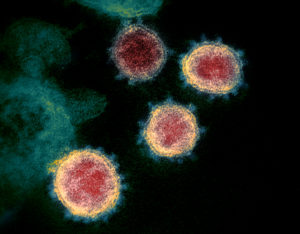
To take the antiviral Paxlovid or not is a big question among many older adults. The drug is meant to be taken soon after a person develops a Covid-19 symptoms - to avoid severe Covid symptoms and prevent hospitalization and death. Unfortunately, some people develop rebound Covid after stopping Paxlovid - that is, they again develop Covid-19.
What is going on? How frequently does this occur? A new study recently published found a rebound effect of 21%. That's 1 in 5 persons taking Paxlovid (nirmatrelvir-ritonavir). Also, the researchers found that during the second bout with Covid the person is shedding viral particles - thus contagious, even if they didn't have symptoms during the rebound.
In comparison, the Covid rebound rate was 1.8% in persons who did not receive Paxlovid.
And yes, the rebound Paxlovid group was vaccinated. The Paxlovid group had received an average 4 vaccines vs 3 in the no treatment group. Interestingly, Covid rebound was more common among those who started Paxlovid therapy within the first 2 days of Covid symptoms, versus those who started later.
So...it's still unclear to many older adults whether to take Paxlovid or not.
From Science Daily: One in five patients experience rebound COVID after taking Paxlovid, new study finds
A new study by investigators from Mass General Brigham found that one in five individuals taking Nirmatrelvir-ritonavir therapy, commonly known as Paxlovid, to treat severe symptoms of COVID-19, experienced a positive test result and shedding of live and potentially contagious virus following an initial recovery and negative test -- a phenomenon known as virologic rebound. ...continue reading "Rebound Rates of Covid Are Pretty High After Taking Paxlovid"
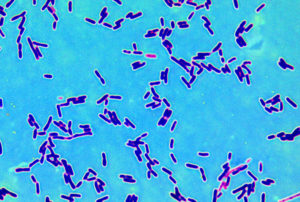
 Ever wonder what bacteria are living on your kitchen surfaces, including sponges? It turns out that even with different hygiene, dietary habits, and cooking practices, there is a core group of bacteria that are common to all kitchen surfaces (core microbiota). At least this was true for residential kitchens in 5 European countries.

 The more physically active a person is before getting COVID-19, the lower the rates of hospitalization, deterioration events, and death from COVID-19 infection. In other words, physical activity is protective.
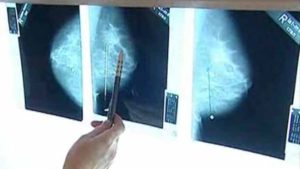 We all know that microbes (fungi, viruses, bacteria) live throughout our bodies - this is the human microbiome or microbiota. What is really interesting is that cancer tumors also have microbiomes (tumor microbiome), and these microbial communities are different than that found in healthy people (without tumors).
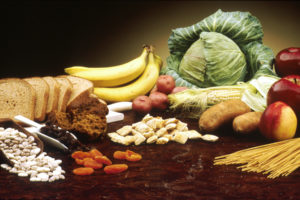 It is very exciting whenever a study has good results in preventing cancer, especially if this is from simply eating certain foods. This recently occurred in a