Skip to content

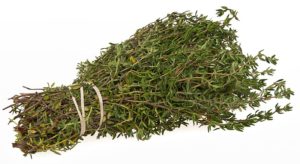
Thyme Credit: Wikipedia

It turns out that even making minor adjustments to your usual diet can improve the gut microbiome (the community of bacteria, fungi, viruses living in the gut) within a few weeks. Two separate studies found that eating some peanuts daily or adding some herbs or spices to the  foods you eat can improve the numbers of beneficial bacteria living in the gut.
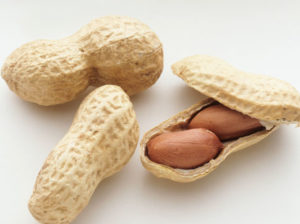
In the peanut study - eating or not eating peanuts didn't change the diversity or main types of bacteria living in the gut. But eating peanuts did increase the numbers of several beneficial species --Roseburia and Ruminococcaceae, which are butyrate producing bacteria (good!). The peanut group ate 28 grams of peanuts (1 ounce or about 33 peanuts) as a night-time snack for 6 weeks.

In the spice and herb study, adding a combination of spices and herbs to the diet for 4 weeks increased microbial diversity in the gut (good!), and also increased beneficial Ruminococcaceae numbers (good!) in persons at risk for heart disease. Faecalibacterium and Agathobacter  numbers also increased (good!). A variety of dried spices and herbs (1/8 tsp, 3/4 tsp. or 1/1/2 tsp) were added to foods in the daily diet, and not taken as a capsule.

Dried spices added to foods in the spice and herb study included coriander, cumin, allspice, cinnamon, oregano, thyme, onion powder, garlic, ginger, rosemary, thyme, basil, black pepper, paprika, parsley, red pepper, etc. - 24 in all!

Bottom line: These studies agree with other research finding that eating peanuts (and all sorts of nuts, legumes), as well as adding spices and herbs to your foods is beneficial to the gut microbiome. They feed beneficial microbes in your gut, have all sorts of micronutrients, and they also have multitudes of microbes. A win-win.

From Science Daily: Peanuts and herbs and spices may positively impact gut microbiome

Adding a daily ounce of peanuts or about a teaspoon of herbs and spices to your diet may affect the composition of gut bacteria, an indicator of overall health, according to new research from Penn State. In two separate studies, nutritional scientists studied the effects of small changes to the average American diet and found improvements to the gut microbiome. ...continue reading "Adding Herbs and Spices To Your Foods Improves Gut Microbiome"
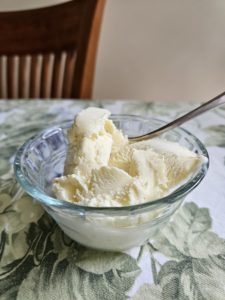
There is nothing so refreshing as some cold ice cream on a hot summer day. But rather than viewing it as a guilty pleasure, research actually finds that it has health benefits!

Studies find that ice cream eaters have a lower risk of developing type 2 diabetes. This is the same level of protection as eating yogurt.

What? Yup, studies found this health benefit, but it doesn't fit the prevailing dietary view of ice cream being an unhealthy food that should be avoided. So... the  researchers of the studies didn't discuss the findings, and instead the results were hidden away. In other words, a case of bias.

By the way, cheese has had the same kind of bias against it for years (all that fat!), but finally the research finding health benefits is being discussed in the media (Consumer Reports).

Excerpts from The Atlantic: NUTRITION SCIENCE’S MOST PREPOSTEROUS RESULT Studies show a mysterious health benefit to ice cream. Scientists don’t want to talk about it.

Back in 2018, a Harvard doctoral student named Andres Ardisson Korat was presenting his research on the relationship between dairy foods and chronic disease to his thesis committee. One of his studies had led him to an unusual conclusion: Among diabetics, eating half a cup of ice cream a day was associated with a lower risk of heart problems. Needless to say, the idea that a dessert loaded with saturated fat and sugar might actually be good for you raised some eyebrows at the nation’s most influential department of nutrition. ...continue reading "Studies Find That Ice Cream Has Health Benefits"

Once again research finds that drinking sugar sweetened soft drinks or fruit drinks (not juices) is unhealthy. This time a study found that drinking one or more such beverages daily was linked to a higher rate of liver cancer and death from chronic liver diseases, when compared to those drinking 3 or fewer such drinks per month.

This is an important finding because the majority of adults in the US consume one or more sweetened beverages daily! On the other hand, in this study drinking one or more artificially sweetened soda and drinks daily did not have an increased rate of liver cancer or death from chronic liver disease.

By the way, the researchers kept referring to the sweetener as sugar, but in reality the sweetener in (almost) all such beverages is high fructose corn syrup.

Excerpts from Science Daily: Women who consumed sugar sweetened beverage daily had higher risk of developing liver cancer and chronic liver disease

Approximately 65% of adults in the United States consume sugar sweetened beverages daily. Chronic liver disease is a major cause of morbidity and mortality worldwide and can result in liver cancer and liver disease-related mortality. ...continue reading "Drinking Soda and Fruit Drinks Daily Linked to Risk of Liver Cancer and Death From Chronic Liver Diseases"

Breastfeeding
Credit: Wikimedia Commons/ Anton Nosik

Breast milk is beneficial a number of ways. For example, it provides some micronutrients to the baby that formula doesn't provide. It also transmits hundreds of microbial species from the mother to the baby - thus important for the baby's microbiome.

Additionally, recent research found that breastfed babies are 33% less likely to die in the first year of life. This is a huge difference! The researchers looked at data for nearly 10 million infants born in 2016 to 2018, and who were then followed for 1 year after birth.

Studies also find that breastfeeding protects against sudden infant death syndrome and necrotizing enterocolitis in preterm infants.

Bottom line: Breastfeeding should be supported and encouraged. As the study researchers point out: "breastfeeding confers a protective benefit during the first year of life".

From Science Daily: Breastfeeding is associated with a 33% reduction in first-year post-perinatal infant mortality

Among nearly 10 million US infants born between 2016 and 2018, breastfed babies were 33% less likely to die during the post-perinatal period (day 7-364) than infants who were not breastfed, reports a new study in the American Journal of Preventive Medicine, published by Elsevier. The findings build on previous US research with smaller datasets, which documented the association between the initiation of breastfeeding and the reduction of post-perinatal infant mortality by a range of 19% to 26%. ...continue reading "Large Study Finds That Breastfed Babies Less Likely To Die In Their First Year"

Most of the foods and drinks for sale at store checkout lanes are unhealthy. This includes supermarkets, grocery stores, dollar stores, drugstores, and specialty food stores. This shouldn't be a surprise to anyone.
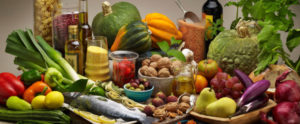
University of California researchers found that 70% of foods and drinks displayed in store checkout lanes to be unhealthy. And if the offerings are snack-sized, the number of unhealthy foods rises to 89%. Typical foods displayed at checkout lanes were candy (31%), gum (18%), sweetened beverages, salty snacks, mints, and sweets.

Why? Because food and beverage companies view checkout lanes as prime real estate for their goods, and pay money to the stores to place their products there. They count on people making impulse purchases of their products.

From Medical Xpress: Temptation at the checkout: 70% of food, drinks within arm's reach are unhealthy

We've all been there: waiting in line at a store checkout, surrounded by tempting snacks and drinks. Navigating the checkout lane in search of healthy options could be a challenge, according to researchers at the University of California, Davis, who found that 70% of foods and beverages at checkout are unhealthy.
...continue reading "Mainly Unhealthy Foods For Sale At Store Checkout Lanes"

Breastfeeding
Credit: Wikimedia Commons/ Anton Nosik

Another new micronutrient has been discovered in breast milk. This is a sugar molecule called myo-inositol that promotes brain development in infants.

Researchers found that this sugar molecule is most abundant in human breastmilk early after birth when neuronal connections are rapidly forming in the infant brain. Three weeks after birth the levels found in breast milk slowly start to decrease.

This micronutrient was found in breast milk from women at all three study sites (Mexico City, Shanghai, and Cincinnati) - and at similar levels. The researchers stated that this could be one of the reasons why breast milk is so beneficial for a baby's brain development.

Interestingly, adults get myo-inositol from foods, with an adult eating a Western diet getting about 1 gram per day. It is also produced in the brain and other organs. It is especially abundant in fruits (e.g., cantaloupe and oranges), beans, grains, and nuts.

From Medical Xpress: Sugar molecule found in breast milk boosts infant brain development

Breast milk is not simply sustenance. It also is rich in micronutrients that are critical for healthy brain development in infants. ...continue reading "Breast Milk Contains Important Micronutrient For Brain Development"

A recent study was good news for those wishing to lower their chances of developing heart disease (cardiovascular disease) without the use of medications. Instead, focus on the foods you eat, specifically those in a Mediterranean-style diet.

The Univ. of Sydney researchers did an analysis of 16 existing studies (with 722,495 women) and found that women following a Mediterranean diet lowered their odds of developing heart disease by 24% and lowered their risk of early death by 23%.

In this study, a Mediterranean diet meant eating a diet rich in fruits, vegetables, whole grains, legumes, nuts, seeds, extra virgin olive oil. Moderate amounts of seafood, low to moderate in wine consumption, and low in red/processed meats, dairy products, animal fat, and processed foods.

Why is the Mediterranean diet beneficial? The diet focuses on whole foods that are also rich in fiber, antioxidants, has an increased intake of all sorts of nutrients (vitamins, minerals, flavanols, etc.), less oxidative stress, it's anti-inflammatory, reduced glycemic load, boosts the immune system, and feeds the beneficial microbes in our gut microbiome.

Interestingly, studies find that frequent consumption of extra virgin olive oil (EVOO) lowers the risk of death from several diseases (heart disease, cancer, neurogenerative disease, and respiratory disease), lowers the incidence of breast cancer, and promotes healthier brain aging. A Mediterranean diet is associated with numerous health benefits (e.g., lower dementia risk) besides a lower heart disease risk.

These findings are important because heart disease is the leading cause of death globally, according to the World Health Organization. According to the CDC, it is the number 1 killer of women in the United States.

From Medical Xpress: Mediterranean diet cuts women's cardiovascular disease and death risk by nearly 25%, finds study

Sticking closely to a Mediterranean diet cuts a woman's risks of cardiovascular disease and death by nearly 25%, finds a pooled data analysis of the available evidence—the first of its kind—published online in the journal Heart. ...continue reading "Study Finds Mediterranean Diet Lowers the Risk of Developing Heart Disease In Women"

It absolutely makes sense that a good diet before and during pregnancy is associated with better pregnancy outcomes, including the risk for miscarriage.
Researchers at the University of Birmingham reviewed 20 studies (for a total of 63,838 women) and found that a good diet with healthy foods (both preconception and during pregnancy) is linked to a lower chance of miscarriage. On the other hand, a diet high in processed foods was associated with a doubling of miscarriage risk. Interestingly, higher intake of fried foods and a lower intake of chocolate is also associated with higher miscarriage odds.

What is a "good diet" linked to lower risk of miscarriage? One that is rich in fruits, vegetables, dairy, eggs, and seafood. A high intake of fruits was linked to 61% reduction of miscarriage risk, high intake of vegetables had a 41% reduction, dairy was linked to a 37% reduction, and consumption of eggs had a 19% reduction. Seafood (fish) had a 19% reduction.

Hmmm.... overall the results sound like Mediterranean-style or healthy Nordic foods diets are beneficial. By the way, the researchers were unable to draw any conclusions regarding meat, red meat, white meat, fat, and oil.

There are many reasons for the lower rate of miscarriage with a healthy, whole foods diet: from an increased intake of all sorts of nutrients (vitamins, minerals, flavanols, etc.), rich in anti-oxidants, less oxidative stress, lower rates of inflammation, boosts the immune system, to feeding beneficial microbes in our gut microbiome.

Fun fact: the developing fetus can taste the foods the mother eats.

From Medical Xpress: Diet high in fruit and vegetables linked to lower miscarriage risk

A preconception and early-pregnancy diet that contains lots of fruit, vegetables, seafood, dairy, eggs and grain may be associated with reducing risk of miscarriage, a new review of research suggests. ...continue reading "A Good Diet Is Associated With Lower Rates Of Miscarriage"

Artificial sweeteners are very popular, with sucralose (Splenda) being the most widely used artificial sweetener in the US. However, there is increasing evidence that these sweeteners are linked to health problems. Recently, a study found that basically all safety claims by the manufacturer of sucralose are nonsense (deceptive advertising!), and that the sweetener instead can cause health harms.

Health harms from sucralose include: damages DNA (it's genotoxic), it causes "leaky gut" (makes the wall of the gut more permeable), bioaccumulates in the body, leukemia, alters gut microbes, drives glucose intolerance, causes weight gain, increases appetite. decreases insulin sensitivity, metabolic dysfunction, enters into breastmilk of nursing mothers, promotes intestinal inflammation, and more.

Of course the European Union has stricter standards regarding sucralose than the US. (Why am I not surprised?).

The following two articles discuss different aspects of sucralose and its health harms. The one from US Right to Know is worth reading in full.

Excerpts from Medical Xpress: Chemical found in common sweetener damages DNA

A new study finds a chemical formed when we digest a widely used sweetener is "genotoxic," meaning it breaks up DNA. The chemical is also found in trace amounts in the sweetener itself, and the finding raises questions about how the sweetener may contribute to health problems. ...continue reading "Health Risks From Popular Artificial Sweetener"

One fear people have is of developing problems with their memory in their later years, called age-related memory loss. A recent study finding a possible way to maintain memory in older adults is intriguing and offers hope. And best of all, it's fairly easy to do - just increase the intake of flavanol rich foods.

A large Columbia University study of adults over age 60 found that daily flavanol supplementation (cocoa extract with 500 mg flavanols) over a 3 year period improved the memory of persons whose diet was low in flavanol intake from foods, but not in persons with high intake of flavanols. The researchers suggest that a low flavanol diet is one of the drivers of age-related memory loss.

The researchers stated that flavanols only improved memory processes governed by the hippocampus, and did not improve memory mediated by other areas of the brain.

Flavanols are natural substances found in certain fruits and vegetables, especially berries, onions, kale, lettuce, tomatoes, apples, grapes, and cocoa. Flavanols are a type or class of flavonoids, all of which have health benefits. Eat a variety of plant foods (includes tea and wine) to ensure you're eating a variety of flavonoids.

Some other benefits of flavonoids: they are anti-inflammatory, anti-oxidative, have anti-mutagenic and anti-carcinogenic properties, lower heart disease death rates, and prevention of heart disease.

From Medical Xpress: Low-flavanol diet drives age-related memory loss, large study finds

A large-scale study led by researchers at Columbia and Brigham and Women's Hospital/Harvard is the first to establish that a diet low in flavanols—nutrients found in certain fruits and vegetables—drives age-related memory loss. ...continue reading "Eating A Diet Rich in Flavanols May Help With Memory"