
Skip to content

Another recent study confirmed that what you eat determines the microbes living in your gut (small intestines). This is the gut microbiome or microbiota (the community of bacteria, fungi, viruses). The microbes living in a person's gut can be determined by analyzing a sample of a person's poop.

The researchers found that persons eating more fruits, vegetables, and foods high in fiber (e.g., whole grains, fruits, vegetables, nuts, seeds) have gut microbes associated with health. They also have more diversity of species in the gut (this is a sign of health). But eat a diet rich in highly processed foods and low in fiber, and you'll have microbes associated with health problems (e.g., heart disease, cancer, diabetes).

The researchers point out that following the recommendations of the Dietary Guidelines for Americans (DGA) supports a healthy gut microbiome. Especially important for a healthy gut microbiome were vegetables, whole grains, legumes, and dairy. Yes, dairy foods have oodles of microbes (your cheese is alive!), whole fat dairy is beneficial, but skim milk or 0% is not. Eating a variety of high fiber foods is important because then you'll be eating a variety of fibers.

Bottom line: you are what you eat.

Excerpts from Medical Xpress: How diet quality affects the gut microbiota to promote health

We know that eating a healthy diet affects body weight, cholesterol levels, and heart health. A new study from the University of Illinois focuses on another component: the role of diet in supporting a healthy gastrointestinal microbiota. The researchers conclude that following the Dietary Guidelines for Americans (DGA) promotes a gut microbiota composition that may support overall health. ...continue reading "Certain Foods Are Great For Gut Health"


Cricket Credit: Wikipedia

Ready to eat some insects for your gut health? Hah! A recent research paper made the case that eating insects will improve the gut microbiome and health.

The researchers point out that eating insects already happens throughout the world. Edible insects are good sources of protein, micronutrients, and contain dietary fiber and omega-3 fatty acids. Also, insects can be farmed using fewer resources than conventional livestock (e.g., beef, pigs)

The most commonly consumed insects: beetles, caterpillars, wasps, bees, ants, grasshoppers, true bugs; and termites.

From Science Daily: Chitin from consuming insects can help both gut microbiota and global health

Chitin (kai'tin) and healthy fats from insects appear to contribute to healthy gut microbiota and are strong sources of protein and nutrients, according to a paper co-authored by a Colorado State University researcher and published in Nature Food. ...continue reading "Are You Ready to Eat Insects?"

Not all foods are equal. Especially dairy milk vs alternative "milks", such as almond or oat milks. Or plant-based "meat" vs animal meat. A recent study analyzed popular plant-based "milk" and "meat" products and found that they are not nutritionally equivalent to real milk and meat.

They contain different nutrients, amount of protein, calories, etc. The researchers concluded that eating only or mainly the plant-based substitutes can result in dietary deficiencies  - that is, of nutrients found in meat and dairy.

Meat and dairy products are good sources of vitamin B12, zinc, iodine, long-chain omega fatty acid, and choline. All of these are necessary for good health. Eating cheese (a dairy product) such as Jarlsberg cheese is great for bone health because of the microbes (Proprionebacterium freudenreichii) living in the cheese  and which produce vitamin K and DHNA (both necessary for bone health).

Instead of eating fake substitutes (many of which are highly processed, with lots of additives), why not focus on eating more real plant-based foods? This means eating more whole grains, seeds, nuts, legumes (beans), fruits, vegetables, and then just reduce the amount of meat and dairy eaten.

From Medical Xpress: Switching meat and milk for plant-based copies misses vital nutrients

Mitigating climate change is a key challenge of our time. One way many people try to reduce their greenhouse gas emissions is to eat less animal-source food—like meat and dairy—and instead eat more plant-based food. ...continue reading "Plant-Based Copies of Meat and Dairy Are Not the Same Nutritionally As Real Milk and Meat"

Finally... two states (California and New York) are seeking to ban 5 chemicals frequently added to food that are known to cause health problems (cancer, neurological problems, hormone disruptors). They have no reason to be in food (and yes, safer alternatives exist). The five chemicals of concern are: red dye 3, titanium dioxide, potassium bromate, bromated vegetable oil, and propylparaben.

These additives are most commonly found in candy, baked goods, and soda. They are already banned in Europe. Once again the FDA is not protecting consumers, while Europe is way ahead of the US in protecting consumers. Of course the chemical industry is pushing back ($$ before consumer health!).

The bills are AB-418 Food product safety (California) and Bill S6055A - Prohibits certain food additives and food color additives (New York). If approved, both would go into effect in 2025.

Bottom line: Read ingredient lists on labels and avoid these 5 ingredients, plus as many other additives, preservatives, colors, artificial or natural flavors (all laboratory concoctions) as you can. Avoid ultra-processed foods and high-fructose corn syrup as much as possible. Best are ingredients that we all have in our kitchens.

Excerpts from NY Times: Two States Have Proposed Bans on Common Food Additives Linked to Health Concerns

Newly proposed bills in California and New York are putting food additives — the chemicals manufacturers add to food to act as preservatives or to enhance color, texture or taste — under the microscope. ...continue reading "Some Harmful Food Additives Could Finally Be Banned"

Another important nutrient for brain health is magnesium. A recent study found that ingesting higher levels of magnesium from foods (dietary magnesium) is associated with better brain health and brain volume. Brains normally shrink a little with age, but ingesting higher levels of dietary magnesium resulted in less age-related shrinkage.
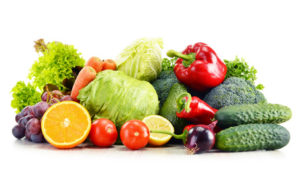
The researchers found that the effects were especially beneficial for postmenopausal women. It is important to note that all study participants had recommended or higher levels of magnesium intake from foods. No one had a magnesium deficiency. Recommended dietary allowances are 400–420 mg for men and 310–320 mg for women - but the results from this study suggest that ingesting even more from foods is better.

In other words, consider magnesium important for a healthy brain. Try to increase intake of magnesium rich foods. The researchers point out that recent studies suggest that dietary magnesium is associated with better cognitive function and may reduce the risk of dementia.

Foods rich on magnesium: pumpkin seeds, almonds, spinach, cashews, pumpkin seeds, chia seeds, peanuts, shredded wheat cereal, quinoa, soymilk, black beans, edamame, dark chocolate, bread, whole wheat, avocado, potato, nuts, bananas.

From Medical Xpress: A higher dose of magnesium each day keeps dementia at bay

More magnesium in our daily diet leads to better brain health as we age, according to scientists from the Neuroimaging and Brain Lab at The Australian National University (ANU). ...continue reading "Magnesium Is Important For Brain Health"

Want to improve your odds of not getting a chronic disease, such as heart disease or diabetes? A recent study found that following any healthy dietary pattern, whether Mediterranean or DASH or Diabetes Risk Reduction Diet or other similar healthy dietary styles, are all linked to a lower risk of chronic diseases.

These healthy dietary patterns all stress fruits, vegetables, whole grains, seeds, nuts legumes, but they vary in minor ways, e.g., whether salt, coffee, tea, or wine is allowed. People weren't following specific diets over the 3 decades of the study, but it's how they generally ate - their dietary pattern.

The Harvard T.H. Chan School of Public Health researchers found that persons who were in the top 10% of a healthy dietary pattern, no matter which one, were compared to persons in the bottom 10% of that dietary pattern. Overall they found that being near the top of any of the healthy dietary patterns was associated with a lower disease risk.

Interestingly, larger amounts of coffee, whole grains, wine and desserts had lower risk of associated major chronic diseases.

Eating some foods frequently were associated with developing major chronic diseases, such as processed meats, energy drinks, french fries, red meat, and eggs.

From Medical Xpress: Adhering to recommended diets lowers risk of chronic diseases, 32-year study finds

Researchers at the Harvard T.H. Chan School of Public Health in Boston, Massachusetts, have good news for anyone sticking to a healthy diet: Good food choices are associated with a lower risk of developing a chronic disease. ...continue reading "Eating Healthy Foods Lowers Risk of Chronic Diseases"

Another large study found that eating a Mediterranean diet is beneficial to health - specifically, that it is associated with a decreased risk for dementia. As much as 23% lower (compared to those who didn't eat a Mediterranean style diet)! It didn't matter if a person had a genetic risk for dementia or not - diet was more important.

By the way, other studies also find that eating a Mediterranean style diet has benefits for the brain and body.

A Mediterranean style diet is one rich in fruits, vegetables, whole grains, legumes (beans, lentils), nuts, seeds, herbs, spices, and olive oil. Some lean meat, especially chicken, and fish. This way of eating is high in fiber (good for health!). Try to avoid processed meats, highly processed foods, fast food, and hydrogenated oils. Eat less meat in general.

From Science Daily: Mediterranean diet associated with decreased risk of dementia

Experts at Newcastle University found that individuals who ate a Mediterranean-like diet had up to 23% lower risk for dementia than those who did not. ...continue reading "A Mediterranean Style Diet Is Associated With A Lower Dementia Risk"

Eating your fruits and vegetables, especially a rainbow assortment of them, is associated with a lower risk of prostate cancer as well speeding up recovery in men who received radiation treatment for prostate cancer.

Two recent studies by the same group of Australian researchers found that certain micronutrients found in foods are lower in men with prostate cancer (compared to healthy men). These are lycopene, selenium, lutein, lycopene, α-carotene, β-carotene. Lycopene and selenium appear to be especially important.

Tomatoes and tomato products (e.g., tomato sauce) are an especially good source of lycopene. Other lycopene rich foods are: watermelons, grapefruits, guava, melons, papayas.  Selenium rich foods include Brazil nuts, seafood, organ meats, beef, pork, chicken, turkey, and eggs.

From Medical Xpress: Rainbow of fruit and veg the best prevention against prostate cancer

Men who consume colorful fruits and vegetables on a regular basis are less likely to be diagnosed with prostate cancer (PC), according to new research by University of South Australia scientists.

A rainbow of foods rich in certain micronutrients helps to prevent prostate cancer (PC) as well as speed up recovery among men who undergo radiation treatment for the disease. ...continue reading "Certain Nutrients Associated With a Lower Risk of Prostate Cancer"

Most people don't realize how quickly many pesticide levels decrease in our bodies after switching to eating organic foods. Studies find significantly lower levels in a few weeks for many pesticides, but in the case of glyphosate - it's within days!
This is significant because each year more health harms are being linked with glyphosate exposure, such as cancer, shorter pregnancies, disruption of the gut microbiome, cancer, kidney toxicity, and liver inflammation.

Glyphosate (found in Roundup) is the most widely used herbicide (weed killer) in the world. Millions of pounds are used each year in the US, typically for weed control in outdoor areas, as well as on genetically modified crops (e.g., corn, soybeans, canola), and frequently right before harvest on conventional crops (e.g., wheat, oats, barley).

Food is the primary source of glyphosate exposure. Many non-organic foods (especially wheat, oats, barley, soybeans, legumes) contain glyphosate residues. Glyphosate is even found in breakfast cereals Organic food does not contain glyphosate  - it's use is not allowed in organic food production.

Researchers first tested the urine of people eating a totally non-organic diet, and then when eating an all organic diet. There was a 70% reduction in glyphosate and its metabolite AMPA within 3 days. Children had significantly higher levels of glyphosate and AMPA than adults in their urine in both the non-organic and organic phases of the study.

Bottom line: Eat as many organic foods as possible. And don't use glyphosate (Roundup) on your property.

From Environmental Health News: Organic diets quickly reduce the amount of glyphosate in people’s bodies

Eating an organic diet rapidly and significantly reduces exposure to glyphosate—the world's most widely-used weed killer, which has been linked to cancer, hormone disruption and other harmful impacts, according to a new study. ...continue reading "An Organic Diet Rapidly Lowers Glyphosate Levels In the Body"

Fast food Credit: Wikipedia

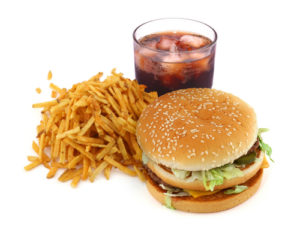
Bad news keeps coming about the highly processed foods we love to eat. So convenient, so addictive (e.g., potato chips, soda!), but so bad for our health. A recent study found more harms from eating highly processed foods (also called ultra-processed foods). They are associated with a higher risk of ovarian cancer and other cancers, and also death from cancer.

Even worse, the more one eats ultra-processed foods daily, the higher the risk of developing and dying from a variety of cancers. The ovarian and brain cancer association was especially strong.

The large study of 197,246 people, conducted in the UK, looked at the association between eating highly processed foods and the risk of developing 34 different types of cancers over a 10 year period. They found that highly processed foods were generally between 9.1% to 41.4% of the foods eaten daily. Highly processed foods averaged 48.6% of the daily calories, and ranged from 28.4% to 68.7% of daily calories.

Chips Credit: Wikipedia

As the researchers point out, the highly processed foods are replacing what should be eaten (fruits, vegetables, whole grains, seeds, nuts, legumes). Thus, diets rich in highly processed foods are generally nutritionally inferior, and are higher in energy, fats, salt, sugars, and lower in fiber and some micronutrients.

Chemicals in highly processed foods and packaging (e.g., acrylamide, endocrine disruptors) are ingested and cause harm to humans. Additionally, additives found in highly processed foods (e.g., emulsifiers) have negative effects on the gut microbiome and gut (intestinal) lining.

Bottom line: Eat fewer highly processed foods. Eat more foods that are unprocessed or minimally processed (fruits, vegetables, legumes, seeds, nuts, whole grains). Read the list of ingredients on labels.

Excerpts from Medical Xpress: Ultra-processed foods may be linked to increased risk of cancer

Higher consumption of ultra-processed foods may be linked to an increased risk of developing and dying from cancer, an Imperial College London-led observational study suggests. ...continue reading "Highly processed food increases risk of cancer"