

What causes a person to develop kidney stones has long been debated. A recent study found that in persons who develop kidney stones, there are alterations in the gut, salivary, and urinary microbiomes. In other words, the community of fungi, viruses, and bacteria at each of these sites are out of whack or imbalanced.
In the study, not only were the 3 microbiomes imbalanced in the persons with kidney stones (when compared to healthy people without kidney stones), but they also had less diversity (fewer species) in their microbiomes. For example, persons with kidney stones had significantly fewer gut health associated bacteria F. prausnitzii, and significantly more inflammation associated E. lenta.
Those with kidney stones also had a history of having taken more antibiotics (antimicrobials).
The researchers conclusion: To avoid kidney stones a healthy diet is essential (for a healthy gut microbiome). One should also avoid taking antibiotics unless necessary. [BTW, the bacteria F. prausnitzii has long been viewed as a keystone microbe in a healthy gut microbiome. It can be increased by increasing fiber in the diet - e.g., fruits, vegetables, seeds, nuts, whole grains, legumes.]
From Medical Xpress: New study sheds light on the connection between the microbiome and kidney stones
A new study from Lawson Health Research Institute and Western University published in the journal Microbiome has found changes in the microbiome in multiple locations in the body are linked to the formation of kidney stones. ...continue reading "Kidney Stones and the Gut Microbiome"
 This is so true....
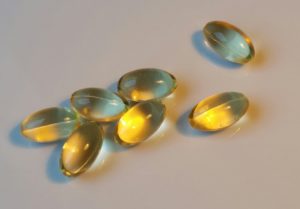 Another disappointing result for Vitamin D supplements. A large
 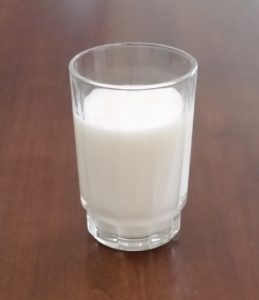 There appears to be a big downside to an all plant diet, which is the possibility of missing essential nutrients that are found in dairy and meat (e.g., vitamin B12, vitamin D3, iron, zinc, choline).
 A recent
 Over the years I've received many questions about vegan versus kimchi that contains seafood. Are the microbes in the kimchi the same?
 Many consumers don't realize it, but some (many?) of the countries that flood the US market with "organic" foods are actually committing fraud. The so-called organic foods are not organic, but are conventionally grown and the documents saying they are organic have been purchased for a price.
 There is tremendous interest in how to live a long and healthy life. This means trying to avoid getting diseases that so many suffer from as they age, such as diabetes, heart disease, and dementia. What diets are best? What kind of lifestyle?
 There has been tremendous interest in the past decade over the best diet and lifestyle for aging well and living to a ripe old age. Author Dan Buettner has spent much of the past decade visiting communities around the world where there are many residents who live to 100 years or more, and in good health. He calls these communities blue zones.