Skip to content

New research has found that low vitamin D levels among older adults is associated with accelerated cognitive decline and impaired performance (particularly in areas of memory and executive function). The next research in this area will have to look at whether vitamin D supplementation will change (slow down) the decline. Please note that it is widely accepted that an average daily intake of 1000 IU  of D3 daily is safe. The best source of  vitamin D is sunlight. From Science Daily:

Low vitamin D among elderly associated with decline in cognition, dementia

Vitamin D insufficiency among the elderly is highly correlated with accelerated cognitive decline and impaired performance, particularly in domains such as memory loss that are associated with Alzheimer's disease and dementia, researchers with the UC Davis Alzheimer's Disease Center and Rutgers University have found. The effect is "substantial," with individuals with low vitamin D declining at a rate three times faster than those with adequate vitamin D levels

The researchers said their findings amplify the importance of identifying vitamin D insufficiency among the elderly, particularly high-risk groups such as African-Americans and Hispanics, who are less able to absorb the nutrient from its most plentiful source: sunshine. Among those groups and other darker-skinned individuals, low vitamin D should be considered a risk factor for dementia, they said. "Independent of race or ethnicity, baseline cognitive abilities and a host of other risk factors, vitamin D insufficiency was associated with significantly faster declines in both episodic memory and executive function performance," said Joshua Miller...

The large, longitudinal study was conducted in nearly 400 racially and ethnically diverse men and women in Northern California participating in longitudinal research at the Alzheimer's Disease Center in Sacramento, Calif. Fifty percent of participants were Caucasian and 50 percent were African-American or Hispanic. The participants had a mean age of 76 and were either cognitively normal, had mild cognitive impairment, or dementia.The participants' serum vitamin D status was measured at the beginning of the study.... Overall, 26 percent were deficient and 35 percent were insufficient. Among Caucasians, 54 percent had low vitamin D, compared with 70 percent of African-Americans and Hispanics.

Over five years of follow-up, vitamin D deficient individuals experienced cognitive declines that were two-to-three times faster than those with adequate serum vitamin D levels. In other words it took only two years for the deficient individuals to decline as much as their counterparts with adequate Vitamin D declined during the five-year follow-up period.

Exposing the skin to sunlight is the major source of vitamin D. Racial and some ethnic minorities are at greater risk of low vitamin D because the higher concentration of melanin that makes their skin darker -- and protects against skin cancer in sunny climates -- also inhibits synthesis of vitamin D. Diet is the other major source of vitamin D. Dietary vitamin D is obtained particularly through dairy consumption. The intake of dairy products is especially low among minority groups, with only 6.5 percent of African-Americans and 11 percent of Mexican-Americans nationwide consuming the recommended three daily servings of dairy products, the study says.

Image result for dark chocolate So far all the studies I've seen in the past 2 years about cocoa and chocolate have found various beneficial health effects from regularly eating small amounts of cocoa and chocolate. Now 2 new studies found benefits from the flavanols found in cocoa beans and chocolate. The studies found that consuming cocoa flavanols lowers blood pressure, increases flow-mediated vasodilation,improves blood cholesterol profile, and that regular dietary intake may reduce the risk of cardiovascular disease (CVD). However, note that chocolate and cocoa contain other compounds besides flavanols and these may also be exerting positive effects.

So now the question becomes, which chocolates have high levels of flavanols? Modern processing removes some of the flavanols - in fact, the more it undergoes processing, the more flavanols are lost. But it appears that dark chocolate and cocoa that has not undergone Dutch processing is best. According to a Medscape article on cocoa flavanols: "Traditional processing methods that yield "modern chocolate," especially alkalinization (dutching or Dutch processing, to mellow flavor), strips flavanols from cocoa. The bitterness from cacao mostly comes from flavanols. With the emerging recognition of the beneficial effects of flavanols there has been a shift in commercial production towards chocolate forms with high flavanol content." A recent study by Consumer Lab, which compared flavanol levels across many cocoa and chocolate products, also found that some chocolate brands were contaminated with cadmium (a toxic heavy metal), but that cocoa nibs had significantly lower levels. At any rate, the medical evidence does not support gorging on chocolate, but instead consuming chocolate or cocoa in moderation. From Science Daily:

Cocoa flavanols lower blood pressure and increase blood vessel function in healthy people

Two recently published studies in the journals Age and the British Journal of Nutrition (BJN) demonstrate that consuming cocoa flavanols improves cardiovascular function and lessens the burden on the heart that comes with the aging and stiffening of arteries. The studies also provide novel data to indicate that intake of cocoa flavanols reduces the risk of developing cardiovascular disease (CVD).

As we age, our blood vessels become less flexible and less able to expand to let blood flow and circulate normally, and the risk of hypertension also increases. Arterial stiffness and blood vessel dysfunction are linked with cardiovascular disease -- the number one cause of deaths worldwide....Cocoa flavanols are plant-derived bioactives from the cacao bean. Dietary intake of flavanols has been shown to have a beneficial effect on cardiovascular health but the compounds are often destroyed during normal food processing. Earlier studies have demonstrated that cocoa flavanol intake improves the elasticity of blood vessels and lowers blood pressure....These two studies in Age and BJN are the first to look at the different effects dietary cocoa flavanols can have on the blood vessels of healthy, low-risk individuals with no signs or symptoms of cardiovascular disease.

Cocoa flavanols increase blood vessel flexibility and lower blood pressure - In the study published in Age, two groups of 22 young (<35 years of age) and 20 older (50-80 years of age) healthy men consumed either a flavanol-containing drink, or a flavanol-free control drink, twice a day for two weeks. The researchers then measured the effect of flavanols on hallmarks of cardiovascular aging, such as arterial stiffness (as measured by pulse wave velocity), blood pressure and flow-mediated vasodilation (the extent to which blood vessels dilate in response to nitric oxide). They found that vasodilation was significantly improved in both age groups that consumed flavanols over the course of the study (by 33% in the younger age group and 32% in the older age group over the control intervention). In the older age group, a statistically and clinically significant decrease in systolic blood pressure of 4 mm Hg over control was also seen.

Improving cardiovascular health and lowering the risk of CVD - In the second study, published in BJN, the researchers extended their investigations to a larger group (100) of healthy middle-aged men and women (35-60 years) with low risk of CVD. The participants were randomly and blindly assigned into groups that consumed either a flavanol-containing drink or a flavanol-free control drink, twice a day for four weeks.

"We found that intake of flavanols significantly improves several of the hallmarks of cardiovascular health," says Professor Kelm. In particular, the researchers found that consuming flavanols for four weeks significantly increased flow-mediated vasodilation by 21%. Increased flow-mediated vasodilation is a sign of improved endothelial function and has been shown by some studies to be associated with decreased risk of developing CVD. In addition, taking flavanols decreased blood pressure (systolic by 4.4 mmHg, diastolic by 3.9 mmHg), and improved the blood cholesterol profile by decreasing total cholesterol (by 0.2 mmol/L), decreasing LDL cholesterol (by 0.17 mmol/L), and increasing HDL cholesterol (by 0.1 mmol/L).

The researchers also calculated the Framingham Risk Score -- a widely used model to estimate the 10-year cardiovascular risk of an individual -- and found that flavanol intake reduced the risk of CVD. "Our results indicate that dietary flavanol intake reduces the 10-year risk of being diagnosed with CVD by 22% and the 10-year risk of suffering a heart attack by 31%," says Professor Kelm.

The combined results of these studies demonstrate that flavanols are effective at mitigating age-related changes in blood vessels, and could thereby reduce the risk of CVD in healthy individuals. The application of 10-year Framingham Risk Scores should be interpreted with caution as the duration of the BJN study was weeks not years and the number of participants was around 100, not reaching the scale of the Framingham studies. That being said, Professor Kelm comments that "the reduction seen in risk scores suggests that flavanols may have primary preventive potential for CVD."

The following studies reinforce the advice that people should eat a variety of fruits and vegetables, as well as olive oil (part of the Mediterranean diet).

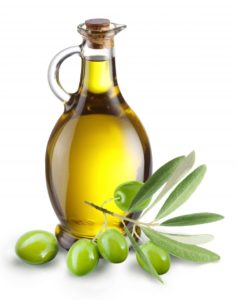
Studies find that consumption of fruits, vegetables, herbs, and extra virgin olive oil have various health benefits, and the following studies, even though not done with humans, suggest some reasons for their health benefits.

Luteolin appears to have anti-tumor effects, and so may reduce cancer risk. Dietary sources of luteolin include celery, broccoli, green pepper, parsley, thyme, dandelion, perilla, chamomile tea, carrots, olive oil, peppermint, rosemary, navel oranges, and oregano. Extra-virgin olive oil contains the ingredient oleocanthal, which appears to kill a variety of human cancer cells without harming healthy cells.

From Science Daily: Natural compound could reduce breast cancer risk in some women

The odds of women being diagnosed with breast cancer increase in postmenopausal women who have taken a combined estrogen and progestin hormone replacement therapy; these women also have an increased risk of developing progestin-accelerated breast tumors. Now, researchers have found that luteolin, a natural compound found in herbs such as thyme and parsley as well as vegetables such as celery and broccoli, could reduce the cancer risk for women who have taken hormone replacement therapy.

 "Nevertheless, research has proven that a higher incidence of breast cancer tumors can occur in women receiving therapies that involve a combination of the natural component estrogen and the synthetic progestin. Most older women normally have benign lesions in breast tissue," Hyder said. "These lesions typically don't form tumors until they receive the 'trigger'-- in this case, progestin--that attracts blood vessels to cells essentially feeding the lesions causing them to expand." His newest study shows that when the supplement luteolin is administered to human breast cancer cells in the lab, benefits can be observed including the reduction of those vessels "feeding" the cancer cells causing cancer cell death.

.... the natural compound exerts its anti-tumor effects in a variety of ways. Then, Hyder further tested laboratory mice with breast cancer and found that blood vessel formation and stem cell-like characteristics also were reduced in vivo, or inside the body.

From Medical Xpress: Ingredient in olive oil kills cancer cells with their own enzymes

A Rutgers nutritional scientist and two cancer biologists at New York City's Hunter College have found that an ingredient in extra-virgin olive oil kills a variety of human cancer cells without harming healthy cells. The ingredient is oleocanthal, a compound that ruptures a part of the cancerous cell, releasing enzymes that cause cell death.

Paul Breslin, professor of nutritional sciences in the School of Environmental and Biological Sciences, and David Foster and Onica LeGendre of Hunter College, report that oleocanthal kills cancerous cells in the laboratory by rupturing vesicles that store the cell's waste....Scientists knew that oleocanthal killed some cancer cells, but no one really understood how this occurred. Breslin believed that oleocanthal might be targeting a key protein in cancer cells that triggers a programmed cell death, known as apoptosis....  

After applying oleocanthal to the cancer cells, Foster and LeGendre discovered that the cancer cells were dying very quickly – within 30 minutes to an hour....LeGendre, a chemist, provided the answer: The cancer cells were being killed by their own enzymes. The oleocanthal was puncturing the vesicles inside the cancer cells that store the cell's waste – the cell's "dumpster," as Breslin called it, or "recycling center," as Foster refers to it. These vesicles, known as lysosomes are larger in cancer cells than in healthy cells, and they contain a lot of waste. But oleocanthal didn't harm healthy cells, the researchers found. It merely stopped their life cycles temporarily – "put them to sleep," Breslin said. After a day, the healthy cells resumed their cycles.  

A nice summary article about the benefits and risks of coffee consumption. Summary of effects of drinking coffee1) May potentially increase blood pressure, but also may lower the risk for coronary disease, and protect against heart disease. 2) May cut stroke risk by as much as 25%, 3) Linked to  improved glucose metabolism, reduced risk for type 2 diabetes, and promotion of weight loss in overweight patients. 4) May reduce the risk for several cancers. 5) Appears to slow the progression of dementia and Parkinson's disease. 6) A significantly decreased risk of developing depression. 7) Slows progression in alcoholic cirrhosis, hepatitis C, and NAFLD (non-alcoholic fatty liver disease). 8) May be beneficial in dry-eye syndrome, gout, and in preventing MRSA infection. 9) May increase blood pressure, anxiety, insomnia, tremor, withdrawal symptoms, and potential increased risk of glaucoma. From Medscape:

How Healthy Is Coffee? The Latest Evidence

Earlier this year, the Dietary Guidelines Advisory Committee (DGAC) released a report[1] stating that up to five cups of coffee per day, or up to 400 mg of caffeine, is not associated with long-term health risks. Not only that, they highlighted observational evidence that coffee consumption is associated with reduced risk for several diseases, including type 2 diabetes, cardiovascular disease (CVD), and neurodegenerative disorders. The body of data suggesting that moderate coffee—and, in all likelihood, tea—consumption is not only safe but beneficial in a variety of mental and medical conditions is growing fast.

A 2012 study of over 400,000 people, published in the New England Journal of Medicine, reported that coffee consumption is associated with a 10% reduction in all-cause mortality at 13-year follow-up.... It's important to note that much of the evidence on the potential health effects of coffee, caffeine, and other foods and nutrients is associational and doesn't prove causality—observational investigations come with limitations and often rely on error-prone methods such as patient questionnaires. However, the sheer volume of existing observational data linking coffee and/or caffeine with various health benefits—as well as, in many cases, evidence of a dose response—suggests that the most widely consumed stimulant in the world has positive influences on our health. 

Cardiovascular Disease:...However, when caffeine is ingested via coffee, enduring blood pressure elevations are small and cardiovascular risks may be balanced by protective properties. Coffee beans contain antioxidant compounds that reduce oxidation of low-density lipoprotein (LDL) cholesterol, and coffee consumption has been associated with reduced concentrations of inflammatory markers. Moderate coffee intake is associated with a lower risk for coronary heart disease as far out as 10 years, and data suggest that an average of two cups per day protects against heart failure.

Cerebrovascular Disease and Stroke: The vascular benefits of coffee are not lost on the brain. According to a 2011 meta-analysis, consuming between one and six cups per day reportedly cut stroke risk by 17%. A 22%-25% risk reduction was seen in a large sample of Swedish women followed for an average of 10 years.

Diabetes:...Numerous studies have linked regular coffee drinking with improved glucose metabolism, insulin secretion, and a significantly reduced risk for diabetes. Most recently, findings from a long-term study published this year suggest that coffee drinkers are roughly half as likely to develop type 2 diabetes as are nonconsumers, even after accounting for smoking, high blood pressure, and family history of diabetes.

Cancer: ...Evidence suggests that moderate to heavy coffee consumption can reduce the risk for numerous cancers, including endometrial (> 4 cups/day), prostate (6 cups/day), head and neck (4 cups/day), basal cell carcinoma (> 3 cups/day), melanoma,and breast cancer (> 5 cups/day). The benefits are thought to be at least partially due to coffee's antioxidant and antimutagenic properties.

Neurodegeneration: Beyond the short-term mental boost it provides, coffee also appears to benefit longer-term cognitive well-being. A 2012 study reported that patients with mild cognitive impairment and plasma caffeine levels of > 1200 ng/mL—courtesy of approximately three to five cups of coffee per day—avoided progression to dementia over the following 2-4 years. On a related note, a study from last year reported that caffeine consumption appears to enhance memory consolidation....Caffeinated coffee has long been thought to be neuroprotective in Parkinson disease (PD)....—as well as in multiple sclerosis

Depression: A 2011 study suggests that a boost in coffee consumption might also benefit our mental health: Women who drank two to three cups of coffee per day had a 15% decreased risk for depression compared with those who drank less than one cup per week. A 20% decreased risk was seen in those who drank four cups or more per day. Newer work also suggests that regular coffee drinking may be protective against depression.

Liver Disease: The liver might help break down coffee, but coffee might protect the liver (in some cases). Evidence suggests that coffee consumption slows disease progression in patients with alcoholic cirrhosis and hepatitis C, and reduces the risk of developing hepatocellular carcinoma. A 2012 study reported that coffee intake is associated with a lower risk for nonalcoholic fatty liver disease (NAFLD), while work published in 2014 found that coffee protects against liver fibrosis in those with already established NAFLD.

And That's Not All…: An assortment of other research suggests that coffee intake might also relieve dry-eye syndrome by increasing tear production, reduce the risk for gout, and potentially fight infection. Coffee and hot tea consumption were found to be protective against one of the medical community's most concerning bugs, methicillin-resistant Staphylococcus aureus (MRSA). While it remains unclear whether the beverages have systemic antimicrobial activity, study participants who reported any consumption of either were approximately half as likely to have MRSA in their nasal passages.

And Finally, the Risks: As is often the case, with benefits come risks, and coffee consumption certainly has negative medical and psychiatric effects to consider. Besides the aforementioned potential increase in blood pressure, coffee can incite or worsen anxiety, insomnia, and tremor and potentially elevate glaucoma risk. Also, given the potential severity of symptoms, caffeine withdrawal syndrome is included as a diagnosis in the DSM-5.

Once again, a study finds that a supplement has no benefit - here omega-3 supplements did not slow cognitive decline in older adults. On the other hand, studies find that eating foods with omega-3 fatty acids (such as fish) has beneficial health effects. Regular consumption of fish is associated with lower rates of age-related macular degeneration (AMD), cardiovascular disease, and possibly dementia.  From Science Daily:

No benefit of omega-3 supplements for cognitive decline, study shows

While some research suggests that a diet high in omega-3 fatty acids can protect brain health, a large clinical trial by researchers at the National Institutes of Health found that omega-3 supplements did not slow cognitive decline in older persons. With 4,000 patients followed over a five-year period, the study is one of the largest and longest of its kind.

Dr. Chew leads the Age-Related Eye Disease Study (AREDS), which was designed to investigate a combination of nutritional supplements for slowing age-related macular degeneration (AMD), a major cause of vision loss among older Americans. That study established that daily high doses of certain antioxidants and minerals -- called the AREDS formulation -- can help slow the progression to advanced AMD.

A later study, called AREDS2, tested the addition of omega-3 fatty acids to the AREDS formula. But the omega-3's made no difference. Omega-3 fatty acids are made by marine algae and are concentrated in fish oils; they are believed to be responsible for the health benefits associated with regularly eating fish, such as salmon, tuna, and halibut.* Where studies have surveyed people on their dietary habits and health, they've found that regular consumption of fish is associated with lower rates of AMD, cardiovascular disease, and possibly dementia. "We've seen data that eating foods with omega-3 may have a benefit for eye, brain, and heart health," Dr. Chew explained.

Omega-3 supplements are available over the counter and often labeled as supporting brain health. A large 2011 study found that omega-3 supplements did not improve the brain health of older patients with preexisting heart disease.

With AREDS2, Dr. Chew and her team saw another opportunity to investigate the possible cognitive benefits of omega-3 supplements, she said. All participants had early or intermediate AMD. They were 72 years old on average and 58 percent were female....Participants were given cognitive function tests at the beginning of the study to establish a baseline, then at two and four years later.... The cognition scores of each subgroup decreased to a similar extent over time, indicating that no combination of nutritional supplements made a difference.

* Other omega-3 fatty acids are found in plant foods such as flaxseed, walnuts, soy products, and canola and soybean oils. Specific omega-3 fatty acids from these sources were not studied.

Heavy alcohol consumption has been linked to increased risk of several cancers (colorectum, breast, oral , pharynx, larynx, liver, and esophagus). But what about moderate or minimal drinking? The Mediterranean diet and other studies looking at longevity have long viewed a glass of wine a day as beneficial. However, this large study found that even light to moderate drinking is associated with an increased risk of breast cancer in women, and there is an increased risk of alcohol related cancers only among male smokers. From Science Daily:

Light/moderate drinking linked to increased risk of some cancers in women, male smokers

Even light and moderate drinking (up to one drink a day for women and up to two drinks a day for men) is associated with an increased risk of certain alcohol related cancers in women and male smokers, suggests a large study. Overall, light to moderate drinking was associated with minimally increased risk of total cancer in both men and women.

However, among women, light to moderate drinking (up to one drink per day) was associated with an increased risk of alcohol related cancer, mainly breast cancer. Risk of alcohol related cancers was also higher among light and moderate drinking men (up to two drinks per day), but only in those who had ever smoked. No association was found in men who had never smoked.

They used data from two large US studies that tracked the health of 88,084 women and 47,881 men for up to 30 years. They assessed risk of total cancer as well as known alcohol related cancers including cancer of the the colorectum, female breast, liver, oral cavity, pharynx, larynx and esophagus.

Light to moderate drinking was defined as up to one standard drink or 15 g alcohol per day for women and up to two standard drinks or 30 g alcohol per day for men. One standard drink is roughly equivalent to a small (118 ml) glass of wine or a 355 ml bottle of beer....During the follow-up period, a total of 19,269 and 7,571 cancers were diagnosed in women and men, respectively. The researchers found that overall, light to moderate drinking was associated with a small but non-significant increased risk of total cancer in both men and women, regardless of smoking history.

 Artificial trans fats in foods are bad for health in so many ways: linked to increased risk of coronary heart disease, atherosclerosis, inflammation, and risk of early death. And even though the FDA is finally phasing out partially hydrogenated oils (because they have high levels of artificial trans fats) within the next 3 years, trans fats will still be found in foods (processed foods). How can this be? Well, trans fats are still allowed to be in foods that are labeled as 0 trans fats if it is less than .5 grams trans fats per serving (a loophole allows them to round downward to zero ). And according to research by Environmental Working Group (EWG), trans fats are being used by the food industry in undisclosed ways in amounts low enough to exploit the trans fat loophole. Besides partially hydrogenated oils, they are found in other types of refined oils, monoglycerides, diglycerides and other emulsifiers, and even in flavors and colors. So when you see ZERO trans fats on the label, it doesn't actually mean that it is zero trans fats. The problem is that over the course of a day, eating a number of foods and servings that have under .5 grams of trans fats adds up to levels that research now says has negative health effects!

Artificial trans fats are found in a lot of processed foods. A EWG analysis found that harmful artificial trans fatty acids lurk in more than 27 percent of more than 84,000 processed foods common in American supermarkets.  Another 10 percent contain ingredients likely to contain trans fat. Foods most likely to have hidden trans fats are: breakfast bars, granola and trail mix bars, pretzels, peanut butter, crackers, breads, kids fruit snacks, kids cereal, graham crackers, whipped topping, non-dairy creamers, pudding mixes, cupcakes, and ice cream cones.

So what can you do? Read ingredient lists on labels and try to avoid foods with the above mentioned ingredients: partially hydrogenated oils, emulsifiers, monoglycerides, diglycerides and other emulsifiers, artificial flavors, artificial flavors, and colors. Try to cut back or avoid foods that have ingredients that are not real foods - tough to do, but it can be done.

And the amazing part, saturated fats (such as butter) are NOT linked to early death and heart disease, but trans fat in foods is. Latest research, from Science Daily:

Trans fats, but not saturated fats like butter, linked to greater risk of early death and heart disease

A study led by researchers at McMaster University has found that that trans fats are associated with greater risk of death and coronary heart disease, but saturated fats are not associated with an increased risk of death, heart disease, stroke, or Type 2 diabetes. The findings were published today by the British Medical Journal (BMJ)...."For years everyone has been advised to cut out fats. Trans fats have no health benefits and pose a significant risk for heart disease, but the case for saturated fat is less clear," said de Souza.

Saturated fats come mainly from animal products, such as butter, cows' milk, meat, salmon and egg yolks, and some plant products such as chocolate and palm oils. Trans unsaturated fats (trans fats) are mainly produced industrially from plant oils (a process known as hydrogenation) for use in margarine, snack foods and packaged baked goods.

Contrary to prevailing dietary advice, a recent evidence review found no excess cardiovascular risk associated with intake of saturated fat. In contrast, research suggests that industrial trans fats may increase the risk of coronary heart disease.

To help clarify these controversies, de Souza and colleagues analysed the results of 50 observational studies assessing the association between saturated and/or trans fats and health outcomes in adults....The team found no clear association between higher intake of saturated fats and death for any reason, coronary heart disease (CHD), cardiovascular disease (CVD), ischemic stroke or type 2 diabetes. However, consumption of industrial trans fats was associated with a 34 per cent increase in death for any reason, a 28 per cent increased risk of CHD mortality, and a 21 per cent increase in the risk of CHD.

Inconsistencies in the studies analysed meant that the researchers could not confirm an association between trans fats and type 2 diabetes. And, they found no clear association between trans fats and ischemic stroke. The researchers stress that their results are based on observational studies, so no definitive conclusions can be drawn about cause and effect.

Trans fats are commonly used in processed foods to improve taste, texture, and shelf life. Artificial trans fats are found in partially hydrogenated oils and in other ingredients, such as refined oils, emulsifiers, flavors and colors. Even those processed foods that say zero trans fats may contain trans fats - due to a loophole in labeling laws (if it has less than .5 grams per serving, then it can be rounded down to zero - thus allowing the incorrect claim of zero trans fats). Eating a variety of processed foods, each containing a little trans fats, easily adds up to eating a significant amount daily.Trans fats in the diet have long been linked to cardiovascular disease, artherosclerosis, obesity, oxidative stress, and inflammation, but now research finds that it is linked to a poorer memory in middle-aged men under the age of 45. From Science Daily:

Dietary trans fat linked to worse memory

Higher consumption of dietary trans fatty acids (dTFA), commonly used in processed foods to improve taste, texture and durability, has been linked to worsened memory function in men 45 years old and younger, according to a study.

Researchers evaluated data from 1,018 men and women who were asked to complete a dietary survey and memory test involving word recall. On average, men aged 45 and younger recalled 86 words; however, for each additional gram of trans fats consumed daily, performance dropped by 0.76 words. This translates to an expected 12 fewer words recalled by young men with dTFA intake levels matching the highest observed in the study, compared to otherwise similar men consuming no trans fats.

After adjusting for age, exercise, education, ethnicity and mood, the link between higher dTFA and poorer memory was maintained in men 45 and younger.The study focused predominantly on men because of a small number of women in this age group. However, including women in the analysis did not change the finding, said Golomb. An association of dTFA to word memory was not observed in older populations. Golomb said this is likely due to dietary effects showing more clearly in younger adults. Insults and injuries to the brain accrue with age and add variability to memory scores that can swamp ability to detect diet effects.

Trans fatty acids have been linked to negative effects on lipid profiles, metabolic function, insulin resistance, inflammation and cardiac and general health. In 2013, the United States Food and Drug Administration issued a preliminary determination that trans fats were no longer generally recognized as safe. According to the Centers for Disease Control, reducing dTFA consumption could prevent 10,000 to 20,000 heart attacks and 3,000 to 7,000 coronary heart disease deaths per year in the U.S.

Beware of big soda companies bearing gifts to scientists and their misleading messages to consumers. This time it is Coca-Cola that is trying to influence the research by funding scientists who shift blame for obesity to lack of exercise.There is a large body of evidence finding that what you eat is very important for health and weight control, and this does not mean a diet filled with highly processed foods, including soda.

Yes, exercise is important, but the overall diet is even more important. And we know that soda is not a beneficial food for the beneficial microbes within us (Feeding Your Gut Microbes). Coca Cola's sales of soda are really slipping and this Global Energy Balance Network is a major effort on their part to try to boost sales of sugary drinks. From NY Times:

Coca-Cola Funds Scientists Who Shift Blame for Obesity Away From Bad Diets

Coca-Cola, the world’s largest producer of sugary beverages, is backing a new “science-based” solution to the obesity crisis: To maintain a healthy weight, get more exercise and worry less about cutting calories.The beverage giant has teamed up with influential scientists who are advancing this message in medical journals, at conferences and through social media. To help the scientists get the word out, Coke has provided financial and logistical support to a new nonprofit organization called the Global Energy Balance Network, which promotes the argument that weight-conscious Americans are overly fixated on how much they eat and drink while not paying enough attention to exercise.  ...continue reading "Ignore Big Soda’s Message"

Another study finds health benefits to eating a Mediterranean based diet (here combined with the DASH diet) - the MIND diet. The researchers found that the older adults who followed the diet best were about 7.5 years younger cognitively than those who followed it least, thus suggesting that it may slow the cognitive decline of aging. Earlier research had suggested that it may reduce a person's risk in developing Alzheimer's disease. Foods to eat: fruits, vegetables, berries, whole grains, legumes (beans), nuts, fish, a little wine, and some chicken. Foods to limit on this diet: butter, red meat, margarine, sweets and pastries, whole fat cheese, and fried or fast food. From Medical Xpress:

Eating away at cognitive decline: MIND diet may slow brain from aging by 7.5 years

While cognitive abilities naturally diminish as part of the normal aging process, it may be possible to take a bite out of this expected decline. Eating a group of specific foods known as the MIND diet may slow cognitive decline among aging adults, even when the person is not at risk of developing Alzheimer's disease, according to researchers at Rush University Medical Center. This finding is in addition to a previous study by the research team that found that the MIND diet may reduce a person's risk in developing Alzheimer's disease.

The recent study shows that older adults who followed the MIND diet more rigorously showed an equivalent of being 7.5 years younger cognitively than those who followed the diet least. The results of the study recently were published online in the journal Alzheimer's & Dementia: The Journal of the Alzheimer's Association.

The National Institute of Aging funded study evaluated cognitive change over a period of 4.7 years among 960 older adults who were free of dementia on enrollment. Averaging 81.4 years in age....residents of more than 40 retirement communities and senior public housing units in the Chicago area. .... Martha Clare Morris, ScD, a nutritional epidemiologist, and colleagues developed the diet, whose full name is the Mediterranean-DASH Diet Intervention for Neurodegenerative Delay. As the name suggests, the MIND diet is a hybrid of the Mediterranean and DASH (Dietary Approaches to Stop Hypertension) diets. Both diets have been found to reduce the risk of cardiovascular conditions, like hypertension, heart attack and stroke.

"Everyone experiences decline with aging; and Alzheimer's disease is now the sixth leading cause of death in the U.S., which accounts for 60 to 80 percent of dementia cases. Therefore, prevention of cognitive decline, the defining feature of dementia, is now more important than ever," Morris says.

The MIND diet has 15 dietary components, including 10 "brain-healthy food groups" and five unhealthy groups - red meat, butter and stick margarine, cheese, pastries and sweets, and fried or fast food. To adhere to and benefit from the MIND diet, a person would need to eat at least three servings of whole grains, a green leafy vegetable and one other vegetable every day—along with a glass of wine—snack most days on nuts, have beans every other day or so, eat poultry and berries at least twice a week and fish at least once a week. In addition, the study found that to have a real shot at avoiding the devastating effects of cognitive decline, he or she must limit intake of the designated unhealthy foods, especially butter (less than 1 tablespoon a day), sweets and pastries, whole fat cheese, and fried or fast food (less than a serving a week for any of the three).

Berries are the only fruit specifically to be included in the MIND diet. "Blueberries are one of the more potent foods in terms of protecting the brain," Morris says, and strawberries also have performed well in past studies of the effect of food on cognitive function.