
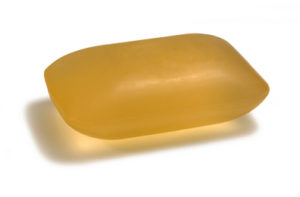
 Stop using the damn antibacterial products! Yes, stop using stuff that says "antibacterial", "antimicrobial", "germ-killing", or "anti-odor". Whether in personal care items, or bedding, or socks, or hand wipes, or wherever else you see those labels - don't buy them and try to avoid using them. Plain soap works just as well for cleaning hands (see FDA page). The "antibacterial" chemicals in soaps, toothpastes, body washes, etc. are absorbed by the body where they may do harm. Yes - HARM. The harms may not be known initially, but over and over, at some later point, the various chemicals are shown to cause harm - whether in humans or the environment, or both.
A case in point is the antimicrobial triclosan. It has been used for years in soooo many products, and religiously used by those concerned with "killing germs". It is now finally banned by the FDA from soaps and body washes because of the harms it causes. These include various health effects - and also because it's an endocrine disruptor (disrupts hormones). And yes, it also crosses the placenta and has been associated with effects on the developing baby. For example, a recent study found an "inverse relationship" - that higher levels of triclosan in the mothers' urine during pregnancy (meaning they had used and absorbed more triclosan products) were associated with lower birth weight, length, head circumference, and gestational age (length of pregnancy). Of special concern to us at Lacto Bacto is that it also disrupts our microbes - remember that antimicrobial products (whether Triclosan in soap or antibiotics) kill off both beneficial and harmful bacteria.
As a recent study shows - triclosan is absorbed by pregnant women (and can be measured in their urine) and, it is absorbed and found in the urine of children who washed their hands or brushed their teeth with products containing triclosan. And the higher the socioeconomic status, the more triclosan in the body - after all, people pay a premium for products that are "antimicrobial". While triclosan is now banned from being used in certain products (soaps and body washes), it is still allowed in many, many other products. And there are all those other antimicrobials that also should NOT be used. So please read the labels, especially the ingredient lists, and try to avoid antimicrobial, antibacterial, germ-killing, and anti-odor products. From Environmental health News:
Hygiene leaves kids with loads of triclosan
Levels of a controversial chemical meant to kill bacteria spike in the bodies of young children after they brush their teeth or wash their hands, according to a new study. U.S. manufacturers are phasing triclosan out of hand soaps after the Food and Drug Administration banned it effective last year amid concerns that the compound disrupted the body's hormone systems. It remains in Colgate Total toothpaste, some cleaning products and cosmetics. Health experts say exposure is best avoided for babies in the womb and developing children.
The latest study, published in the journal Environmental Science & Technology, is one of the first to show that children’s levels rise through their first few years of life. Hand washing and teeth brushing have speedy, significant impact on levels, the researchers found. Braun and colleagues tested the urine of 389 mothers and their children from Cincinnati, collecting samples from the women three times during pregnancy and from the children periodically between 1 and 8 years old.
They found triclosan in more than 70 percent of the samples. Among 8 year olds, levels were 66 percent higher in those that used hand soap. And more washing left the children with higher loads—those who reported washing their hands more than five times per day had more than four times the triclosan concentrations than those washing once or less per day. Children who had brushed their teeth within the last day had levels 2.5 times higher than those who had a toothpaste-free 24-hour span.
Braun said the levels of triclosan rose as the children aged, eventually leveling off. “Their levels were almost to moms’ levels by the time they reached 5 to 8 years of age.” This, he said, is likely due to more frequent use of personal care products as the kids aged. Despite the hand soap ban, triclosan remains on the market because it is effective at fighting plaque and gingivitis. Colgate uses 0.3 percent of the antibacterial to “fight harmful plaque germs.”.
Braun, however, said there is “quite compelling” evidence from animal studies that triclosan decreases thyroid hormone levels. Properly functioning thyroid hormones are critical for brain development. Just last month, using the same mothers and children, Braun and others reported that mothers’ triclosan exposure during pregnancy was linked to lower birth weights, smaller heads and earlier births. In addition, Pessah and colleagues reported triclosan hinders proper muscle development. The researchers used mice and fish, finding that triclosan affects the process responsible for muscle contraction.
 News about the controversial pesticide Roundup and its active ingredient glyphosate just keep coming. Roundup is the most heavily used pesticide in the world, and it is used as a
 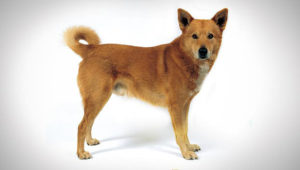 More research supports that being exposed to pets during pregnancy or in the first months of life changes the gut bacteria, and in a way that is thought to be beneficial. The researchers found that infants exposed to pets prenatally or after birth (or both) had higher levels of two microbes that are associated with a lower risk of allergies and obesity. The two microbes are Ruminococcus and Oscillospira, but in case you're wondering - they are not (yet) available in probiotics
 Another study has linked childhood behavioral problems to pesticide exposure, this time to pyrethroid insecticide exposure. Pyrethroids are synthetic pesticides (insecticides) that are increasingly used for personal use (mosquito repellents and treatments for head lice, scabies), on pets (for fleas), home use (e.g., Raid pesticides), and in agriculture.
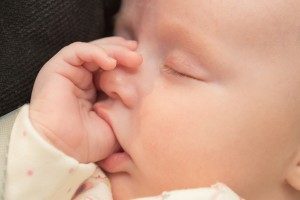 A new study has summarized what we know about fungi that live in and on babies - and yes, we all have fungi both on and within us. It's called the mycobiome. In healthy individuals all the microbes (bacteria, viruses, fungi, etc) live in balanced microbial communities, but the communities can become "out of whack" (dysbiosis) for various reasons, and microbes that formerly co-existed peacefully can multiply and become problematic. Or other pathogenic microbes can enter the community, and the person becomes ill.
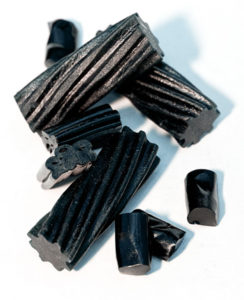 Avoid eating licorice during pregnancy? That licorice is a food to avoid during pregnancy (or only eat in tiny amounts) will be news to many. Most people think of licorice (or liquorice) as a candy, but it can also be used as a herbal medicine that can have negative health effects, especially in large doses (e.g, high blood pressure, loss of potassium). The licorice flavor comes from the root of the plant (licorice root). Licorice contains glycyrrhizin, which is in black licorice candy, and in some chewing gums, ice creams, syrups, soft drinks, supplements, herbal teas, and other products.
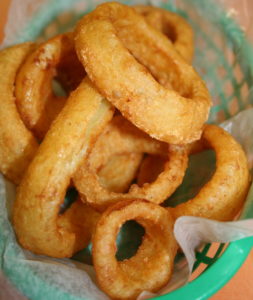 Another study is adding to the evidence that food packaging is frequently coated with harmful chemicals - called perfluorinated chemicals or PFCs. The chemicals are used because they resist grease and stains, but unfortunately they then leach into the food, and when people eat the food - it gets into them. The evidence is also growing that these chemicals have all sorts of harmful health effects, including endocrine disruption (they are