Skip to content

In a newly published study looking at how infant gut microbes change over time, once again babies had differences in gut bacteria depending on whether they were delivered vaginally or by Cesarean section.

But what's interesting is that stopping breastfeeding changed their gut bacteria  more (to more adult-like species) than just introducing solid foods. Certain types of bacteria thrive on the nutrients breast milk provides and once these nutrients are no longer available, then other bacteria emerge that are more commonly seen in adults. In other words, stopping breastfeeding seems to drive "maturation" of the gut bacteria.

From The Scientist: Maturation of the Infant Microbiome

Like babies themselves, the intestinal microbiomes of infants start out in an immature state and over time grow into communities similar to those of adults. In a new survey of 98 Swedish babies whose microbiota were sampled several times during their first year of life, researchers found that the microbiomes of breastfed infants persisted in a “younger” state longer than those of non-breastfed babies, even after the introduction of solid foods.

The conclusion that “stopping breastfeeding—rather than introducing solids—drives maturation is a new idea, because we all thought so far that solids introduction was a key factor in changing the microbiota,” said Maria Gloria Dominguez-Bello, a microbiologist at New York University School of Medicine who did not participate in the study.

Researchers from University of Gothenburg in Sweden and their colleagues found more adult-like taxa in the microbiomes of babies who stopped breastfeeding earlier, while the microbiota of babies breastfed for longer were dominated by bacteria present in breastmilk. The results, published today (May 13) in Cell Host & Microbe, are part of an effort to catalog the microbial changes that occur as children age and to note how those changes correlate with health and disease. Fredrik Bäckhed of Gothenburg and his colleagues collected stool samples from 98 moms and their newborns, and again sampled the babies’ stool at four and 12 months.

Confirming previous work, his team’s analysis found that the 15 babies born via cesarean section were colonized by different bacteria—many from oral and skin communities—than babies born vaginally, who shared numerous microbes with those present in their mothers’ stool.

For instance, in the vaginally delivered newborns’ microbiomes, genes that break down sugars in breastmilk were common. As these babies celebrated their first birthdays, the genes in their microbiomes favored the ability to breakdown starches, pectins, and more complex sugars.

“What’s nice about this paper is that they show this maturation [of the microbiome] in normal, healthy kids in a Western population follows this transition based on diet,” said Steven Frese, a postdoc at the University of California, Davis, who penned a commentary accompanying the study with his advisor, David Mills. “Being exposed to new foods promotes the growth of new bacteria that can consume them,” Frese told The Scientist.

Amusing but also scary. The negative effects on the gut microbes of one person consuming an all fast food diet for 10 days occurred very quickly, and his gut microbes did not recover even 2 weeks after the fast food diet ended. Biggest problem seemed to be loss of gut diversity - about 40% of his gut bacterial species. Loss of gut diversity is considered a sign of ill health. Written by Tim Spector, with Tom Spector's assistance, from The Conversation:

Your gut bacteria don’t like junk food – even if you do

When Morgan Spurlock famously spent a month eating large portions of McDonalds for the purposes of his documentary Supersize Me, he gained weight, damaged his liver and claimed to have suffered addictive withdrawal symptoms. This was popularly attributed to the toxic mix of carbs and fat plus the added chemicals and preservatives in junk foods. But could there be another explanation?

We may have forgotten others who really don’t enjoy fast food. These are the poor creatures that live in the dark in our guts. These are the hundred trillion microbes that outnumber our total human cells ten to one and digest our food, provide many vitamins and nutrients and keep us healthy. 

For the sake of science and research for my book The Diet Myth, I have been experimenting with several unusual diets and recorded their effects on my gut microbes...My son Tom, a final year student of genetics at the University of Aberystwyth suggested an additional crucial experiment: to track the microbes as they changed from an average western diet to an intensive fast food diet for over a week.

I wasn’t the ideal subject since I was no longer on an average diet, but Tom, who like most students enjoyed his fast food, was. So he agreed to be the guinea pig on the basis that I paid for all his meals and he could analyse and write up his results for his dissertation. The plan was to eat all his meals at the local McDonalds for ten days. He was able to eat either a Big Mac or Chicken nuggets, plus fries and Coke. For extra vitamins he was allowed beer and crisps in the evening. He would collect poo samples before, during and after his diet and send them to three different labs to check consistency.

While it was clear the intensive diet had made him feel temporarily unwell, we had to wait a few months for the results to arrive back....They all told the same story: Tom’s community of gut microbes (called a microbiome) had been devastated.

Tom’s gut had seen massive shifts in his common microbe groups for reasons that are still unclear. Firmicutes were replaced with Bacteroidetes as the dominant type, while friendly bifidobacteria that suppress inflammation halved. However the clearest marker of an unhealthy gut is losing species diversity and after just a few days Tom had lost an estimated 1,400 species – nearly 40% of his total. The changes persisted and even two weeks after the diet his microbes had not recovered. Loss of diversity is a universal signal of ill health in the guts of obese and diabetic people and triggers a range of immunity problems in lab mice.

That junk food is bad for you is not news, but knowing that they decimate our gut microbes to such an extent and so quickly is worrying...We rely on our bacteria to produce much of our essential nutrients and vitamins while they rely on us eating plants and fruits to provide them with energy and to produce healthy chemicals which keep our immune system working normally.

We are unlikely to stop people eating fast food, but the devastating effects on our microbes and our long term health could possibly be mitigated if we also eat foods which our microbes love like probiotics (yogurts), root vegetables, nuts, olives and high-fibre foods. What they seem to crave, above all else, is food diversity and a slice of gherkin in the burger just isn’t enough.

Tom Spector. Credit: Tim Spector

More studies need to be done, but the possibility of simply taking 500 mg twice a day of nicotinamide (a vitamin B3 derivative) to reduce the incidence of basal and squamous cell carcinoma is exciting.

Nonmelanoma skin cancer is the most common cancer in the world.

From Medical Xpress: Study: Vitamin B3 may help prevent certain skin cancers

For the first time, a large study suggests that a vitamin might modestly lower the risk of the most common types of skin cancer in people with a history of these relatively harmless yet troublesome growths.

In a study in Australia, people who took a specific type of vitamin B3 for a year had a 23 percent lower rate of new skin cancers compared to others who took dummy pills. In absolute terms, it meant that vitamin takers developed fewer than two of these cancers on average versus roughly 2.5 cancers for the others.The study did not involve melanoma, the most deadly form of skin cancer. Instead, it aimed at more common forms—basal and squamous cell cancers. He and other doctors with the oncology group said the vitamin, called nicotinamide, could offer a cheap, easy way to lower risk.

The study involved 386 people who had at least two skin cancers in the previous five years. They took either 500 milligrams of the vitamin or dummy pills twice a day for a year. Neither they nor their doctors knew who got what until the study ended.

Besides reducing the rate of skin cancers, vitamin use also seemed to cut the rate of precancers—scaly patches of skin called actinic keratoses—by 11 percent after three months of use and 20 percent after nine months. Participants were tracked for six months after they stopped taking their pills, and the rate of new skin cancers was similar in both groups. "The benefit wears off fairly quickly," Damian said. "You need to continue taking the tablets for them to continue to be effective."

Nicotinamide is thought to help repair DNA in cells damaged by sun exposure. It is not the same as nicotine, the addictive stuff in tobacco. It's also not the same as niacin and some other forms of B3, which can cause flushing, headaches and blood pressure problems. Those problems were not seen with nicotinamide in the study. Nicotinamide is sold over the counter, is easy to take, and "there are essentially no side effects," Schilsky said.

 Credit: WebMD, Healthwise, Inc.

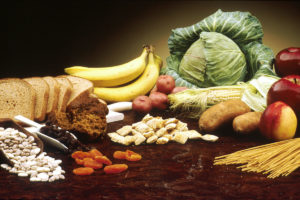
Image result for Mediterranean dietMore support for health benefits of a Mediterranean diet. Results of a  study comparing brain health in groups of older people (in their 60s and 70s) suggest that a Mediterranean diet supplemented with olive oil or nuts may counter-act age-related cognitive decline (overall their cognitive test scores held steady). But the group assigned to the low-fat diet (the control group) worsened on cognitive tests. The Mediterranean diet emphasizes eating vegetables, fruits, legumes (beans), nuts, whole grains, seeds, olive oil, fish, moderate consumption of dairy products (mostly as cheese and yogurt), moderate wine consumption (optional), and low consumption of meat and meat products.From the Wall Street Journal:

Mediterranean Diet Boosts Brain Power, Clinical Study Finds

The Mediterranean diet, supplemented with a handful of nuts or a few tablespoons of olive oil a day, can counteract the effects of aging on the brain’s ability to function, a new clinical study suggests.

The study, published online Monday in JAMA Internal Medicine, was unusual in that it employed rigorous scientific practices to test the effect of the diet on health....Data gathered from previous observational studies suggested that adhering to a Mediterranean-type diet related to better cognitive function and a reduced risk of dementia, but observational studies have limitations, he said.

The Mediterranean diet, which has also shown benefits in cardiovascular health, emphasizes vegetables and fruits, unrefined grains and beans. It also includes fish and wine and minimal consumption of meat and full-fat dairy products.

The study involved 447 cognitively healthy participants, 55 to 80 years of age, who were divided into three groups. Two groups followed the Mediterranean diet and added either 30 grams of mixed nuts (walnuts, hazelnuts and almonds) a day, or five tablespoons of extra virgin olive oil a day. The third group, acting as a control, was advised to follow a low-fat diet. The subjects were followed for a median of just over four years.

The results showed that, compared with the control group, memory function remained stronger in the Mediterranean diet plus nuts group, while frontal (attention and executive function) and global cognition benefited in the Mediterranean diet plus olive oil group.

The diminished decline in cognitive function likely stems from the abundance of antioxidants and anti-inflammatory agents found in the supplemental foods, Dr. Ros said. Olive oil and nuts are rich in phenolic compounds that might counteract oxidative processes in the brain, leading to neurodegeneration, the study said. “If you can delay your age-related cognitive decline, you can process tasks with higher speed,” said Dr. Ros.

The research was a substudy of a larger investigation, designed by Dr. Ros, that found the Mediterranean diet, supplemented with additional olive oil or nuts, reduced the incidence of major cardiovascular events among people at high cardiovascular risk. That study, which involved nearly 7,500 participants and known by the acronym Predimed, was published in 2013.

Image result for dark chocolateGreat results (dark chocolate improves attention and lowers blood pressure), but keep in mind that the research was sponsored by the Hershey company. But not to worry, it basically found what other studies have found - that chocolate is a stimulant that activates the brain. From Science Daily:

Eat dark chocolate to beat the midday slump?

Larry Stevens eats a piece of high-cacao content chocolate every afternoon, which is in part because he has developed a taste for the unsweetened dark chocolate. It's also because research shows that it lowers blood pressure and his new study reveals that it improves attention, which is especially important when hitting that midday slump.

"Chocolate is indeed a stimulant and it activates the brain in a really special way," said Stevens, a professor of psychological sciences at NAU. "It can increase brain characteristics of attention, and it also significantly affects blood pressure levels."

Historically, chocolate has been recognized as a vasodilator, meaning that it widens blood vessels and lowers blood pressure in the long run, but chocolate also contains some powerful stimulants. Stevens said his team wanted to investigate if people who consume chocolate would see an immediate stimulant effect.

Stevens and his colleagues in the Department of Psychological Sciences performed the EEG study with 122 participants between the ages of 18 and 25 years old. The researchers examined the EEG levels and blood pressure effects of consuming a 60 percent cacao confection compared with five control conditions...The results for the participants who consumed the 60 percent cacao chocolate showed that the brain was more alert and attentive after consumption. Their blood pressure also increased for a short time.

The most interesting results came from one of the control conditions, a 60 percent cacao chocolate which included L-theanine, an amino acid found in green tea that acts as a relaxant. This combination hasn't been introduced to the market yet, so you won't find it on the candy aisle...."L-theanine is a really fascinating product that lowers blood pressure and produces what we call alpha waves in the brain that are very calm and peaceful," Stevens said. For participants who consumed the high-cacao content chocolate with L-theanine, researchers recorded an immediate drop in blood pressure. 

Controversy exists over whether healthy people should take statins because of possible side effects. This is another study finding a very elevated risk of new onset diabetes, high risk of diabetes complications, and obesity in statin users. This finding was also significant because the statins were given to healthy people (with no heart disease, diabetes, or severe chronic disease). Risks of diabetes, diabetes complications, and obesity were dose relatedStatin users were also paired with similar non-statin users and then followed - thus the only differences between the 2 groups was whether they used statins. The researchers themselves write that when considering risks of statins, people should try for lifestyle changes (lose weight, eat healthy, exercise, stop smoking) rather than just rely on popping a pill. From Medical Xpress:

Strong statin-diabetes link seen in large study of Tricare patients

In a database study of nearly 26,000 beneficiaries of Tricare, the military health system, those taking statin drugs to control their cholesterol were 87 percent more likely to develop diabetes.

The study, reported online April 28, 2015, in the Journal of General Internal Medicine, confirms past findings on the link between the widely prescribed drugs and diabetes risk. But it is among the first to show the connection in a relatively healthy group of people. The study included only people who at baseline were free of heart disease, diabetes, and other severe chronic disease."In our study, statin use was associated with a significantly higher risk of new-onset diabetes, even in a very healthy population," says lead author Dr. Ishak Mansi. 

In the study, statin use was also associated with a "very high risk of diabetes complications," says Mansi. "This was never shown before." Among 3,351 pairs of similar patients—part of the overall study group—those patients on statins were 250 percent more likely than their non-statin-using counterparts to develop diabetes with complications. Statin users were also 14 percent more likely to become overweight or obese after being on the drugs....The study also found that the higher the dose of any of the statins, the greater the risk of diabetes, diabetes complications, and obesity.

A key strength of Mansi's study was the use of a research method known as propensity score matching. Out of the total study population, the researchers chose 3,351 statin users and paired them with non-users who were very similar, at baseline, based on array of 42 health and demographic factors. The only substantial difference, from a research standpoint, was the use of statins. This helped the researchers isolate the effects of the drugs.

On a wider scale, looking at the overall comparison between the study's roughly 22,000 nonusers and 4,000 users, and statistically adjusting for certain factors, the researchers found a similar outcome: Users of statins were more than twice as likely to develop diabetes.The researchers examined patient records for the period between October 2003 and March 2012. About three-quarters of the statin prescriptions in Mansi's data were for simvastatin, sold as Zocor.

"I myself am a firm believer that these medications are very valuable for patients when there are clear and strict indications for them," he says. "But knowing the risks may motivate a patient to quit smoking, rather than swallow a tablet, or to lose weight and exercise. Ideally, it is better to make those lifestyle changes and avoid taking statins if possible."

Another piece of research that shows that eating more fish and less meat plus the Mediterranean diet is beneficial - this time it's linked to larger brain volume and "delaying age-related atrophy of the brain". Perhaps some other beneficial health-related behaviors are also occurring in these groups, but the link with better brain health and more fish, less meat, and Mediterranean diet is consistently occurring in research. From Medscape:

Mediterranean Diet Linked to Larger Brain Volume

Adherence to the Mediterranean diet (MeDi) may prevent brain atrophy in old age, new research suggests.A large cross-sectional study by investigators at Columbia University in New York linked adherence to the MeDI to larger brain volume in an elderly population, suggesting this type of diet has the potential to prevent brain atrophy and, by extension, preserve cognition in the elderly.

"Our study suggests that adhering to MeDi may prevent cognitive decline or AD [Alzheimer's disease] by maintaining the brain structure or delaying aging-related atrophy," said study investigator Yian Gu, PhD. Previous research has linked the MeDi to a reduced risk for AD and slower rates of cognitive decline in the elderly. "

The aim of the current study was to investigate the association between adherence to the MeDi and structural MRI-based measures of both brain volume and cortical thickness among elderly individuals participating in the Washington Heights-Inwood Columbia Aging Project (WHICAP).The study cohort included 674 multiethnic Medicare beneficiaries aged 65 years or older living in an uptown area of New York City andfish who had no signs of dementia.

All participants underwent high-resolution structural MRI as well as assessment of MeDi adherence based on a 61-item food-frequency questionnaire....A higher score (ranging from 0 to 9) indicated better MeDi adherence. The investigators assessed intracranial volume (ICV), total brain volume (TBV), total gray matter volume (TGMV), total white matter volume (TWMV), and cortical thickness (CT).... the investigators found that those with higher MeDi adherence scores (5 to 9) had larger TBV , TGMV, and TWMV compared with those with lower MeDI scores (0 to 4).

Among the 9 food components of MeDi, higher fish intake was associated with larger TGMV, and lower meat intake was associated with both larger TBV and TGMV . Higher fish intake was also associated with higher CT .

Participants who adhered more to a MeDI had larger brain volumes both in gray matter and white matter, said Dr Gu. She also noted that each additional higher MeDi adherence and total brain volume is equivalent to more than 1 year of aging. Dr Gu noted that most of the association was driven by higher intake of fish and lower intake of meat. Potential mechanisms, she said, include anti-inflammatory and/or antioxidative effects, as well as potential slowing of the accumulation of β-amyloid or tau.

This research was done in a laboratory using cells, but the results support some other research finding that eating cruciferous vegetables frequently may help prevent cancer. They found that compound levels that were anti-cancer (killed off cancer cells) in this study could be achieved through diet alone. Cruciferous vegetables are vegetables of the family Brassicaceae (also called Cruciferae) such as cauliflower, cabbage, garden cress, bok choy, broccoli, brussels sprouts, kale, and similar green leaf vegetables. From Science Daily:

Plant-derived compound targets cancer stem cells

A compound and an enzyme that occur naturally in cruciferous vegetables--cauliflower, cabbage, broccoli and Brussels sprouts--may help prevent recurrence and spread of some cancers, according to researchers. When they treated human cervical cancer stem cells with phenethyl isothiocyanate (PEITC) in a Petri dish, about 75 percent died within 24 hours using a 20-micromolar concentration of the compound.

The precursor compound and enzyme in cruciferous vegetables combine during the chewing process to produce PEITC within the body, Dey explained. Though PEITC is a good candidate to develop as a dietary supplement, studies have also shown that sufficient cancer-preventing levels of PEITC can be achieved through diet alone.

When cancer is treated with chemotherapy or radiation, the tumor disappears but the cancer stem cells live on. "These cells are frequently resistant to conventional therapies," Dey said. Though cancer stem cells make up less than 5 percent of a tumor, they can regenerate the original tumor and migrate through the blood vessels spreading cancer to secondary locations."These tiny cells are very difficult to detect in a tumor," Dey pointed, adding that for a long time scientists did not even know they existed. 

Based on information from scientific literature, the concentrations of PEITC that Dey and her team typically use in their research -- 5 to 15 micromolars -- may be achieved through diets rich in certain types of cruciferous vegetables, particularly land cress and watercress.

Wondering about microbes found in beards? Recent TV stories made it sound as if they are incredibly filthy and harbor bacteria. Well, the news stories were not good because they asked the wrong question (should have asked: do bearded men have more bacteria on their faces than clean shaven ones? - and a 2014 study found that they don't) and they neglected to say that we are all covered with bacteria, all sorts of bacteria, and this is normal. And the "enteric bacteria" they found? Well, they're all over - the human gut, normal human skin, cheese,etc. Microbiologist David Coil from Slate:

Your Beard Is Covered in Bacteria

The irrational germophobia story of the week is that beards harbor “dangerous germs.” This story hits almost all the sweet spots of the genre: It has no actual data, no controls, nonsensical interpretation of results (such as they are), and a punch line that can be summed up in 140 characters or fewer.

In this “study,” the news station swabbed a few beards, sent them off to a company for analysis, and got back a report that the beards contained “germs,” specifically enteric bacteria, which are part of the human gut microbiome and therefore also found in feces. Voila: “Your beard is as dirty as a toilet,” and “Beards contain poop” sweep the Internet. Let’s take apart each piece of this misleading viral phenomenon.

The original story doesn’t say how many beards were tested … just a “handful.” Let’s be generous and call it 10 beards. Not exactly a great sample size, but not the end of the world. The real problem here is the lack of swabs from clean-shaven men. People are covered, absolutely covered in bacteria. Yes, that means you too … 15 showers a week notwithstanding. Everything is covered in bacteria, most of which are harmless or beneficial. Any story that starts with “we found germs on X” is already pointless unless you’re talking about Mars, the moon, or something that’s supposed to have been sterilized (like surgical equipment). So of course they found bacteria on beards. And I can promise you that if they swabbed any other part of those dudes, they’d also find bacteria. Amazing!

What we’d want to know is whether men with beards harbored more bacteria than men with clean-shaven faces. Which of course they didn’t look at.Fortunately, this question has been addressed in the scientific literature. A recent article titled “Bacterial ecology of hospital workers’ facial hair: a cross-sectional study” concluded that health care workers with and without beards harbored similar numbers of bacteria.

OK, so what about the kinds of bacteria? If we’re concerned about health, then the type of bacteria is far more important that the numbers....The microbiologist in this story says that they found “enteric” bacteria, which were the “kind of things that you’d find in feces.” Well, OK. Many members of the Enterobacteriaceae family are found in the gut (and therefore feces). Some are even pathogens. Most are not; some are beneficial, even essential for human health. Assuming that finding enteric bacteria equates to finding feces is like saying that finding cat hair on your couch means you’re at risk of being eaten by a lion. Members of the Enterobacteriaceae family can also be found on normal human skin, cheese, plants, seeds, water, and soil. I’d be willing to bet that you can find enteric bacteria pretty much everywhere if you look hard enough. And do those present a health risk? Probably not, as even the microbiologist in the original story admits.

IMG_3880Credit:Mara Silgailis at Lacto Bacto

Get up every hour from your seat and walk a few minutes, and cut your risk of early death by 33% (by 41% in those with chronic kidney disease). Standing won't do it - have to move. Just make sure that little walk is not to the refrigerator. Other studies have found that sitting for long periods may increase the risk for chronic disease and early death. From Scientific American:

A Little Bit of Walking Can Add up to Improve Your Health

Want to reduce your risk of dying at a young age? Try walking casually for as little as 2 minutes per hour.While it is well known that intense exercise can help you get fitter, a new study has found that even a little exercise can still go a long way. Study participants who traded time on the sofa for a total of 30 minutes of walking during the day reduced their risk of dying over a three-year period by 33 percent.

For the participants with chronic kidney disease, the risk of dying was reduced by more than 40 percent, according to the findings, published today (April 30) in the Clinical Journal of the American Society of Nephrology.

The Physical Activity Guidelines for Americans, a complement to the government's diet guidelines, recommend that people do at least 75 minutes of high-intensity aerobic physical activity (such as running, swimming or biking), or 150 minutes of moderate-intensity activity (such as brisk walking) every week to reduce the risk of obesity, diabetes and other chronic diseases. But the researchers on the new study wanted to know what the minimum threshold was—the lowest amount of physical activity that could still provide health benefits, said Dr. Srinivasan Beddhu, a kidney specialist at the University of Utah School of Medicine in Salt Lake City and lead author of the new study. [How Many Calories Am I Burning? (Infographic)]

"This study specifically looked at what intensity of activity should be used to replace sedentary activity.... being sedentary is an active choice to indulge in activities that barely raise the energy expenditure above basal metabolic rate." That threshold of intensity, Beddhu said, appears to be low. The study found that "light-intensity activities," such as casual walking, are beneficial. In contrast, activities that are "low intensity," such as standing or writing at a desk, aren't enough to provide any meaningful health benefits, the study found.

For this study, Beddhu and his colleagues at the University of Utah and the University of Colorado used information from the National Health and Nutrition Examination Survey, which includes data collected from an accelerometer, a device that measures motion. This enabled the researchers to study the activities of more than 3,600 adults representing the general U.S. population, including 383 adults with chronic kidney disease. Over the course of three years, 137 of these participants died as a result of various causes. In general, those who exercised more were less likely to die during the study period.

Positive effects of exercise could be seen down to the level of 30 minutes per day of any kind of light activity....it could be attained merely by getting up to move around a few minutes every hour. The finding could be particularly beneficial for people with kidney disease, who tend to be sedentary and inactive throughout most of the day, Beddhu added.