
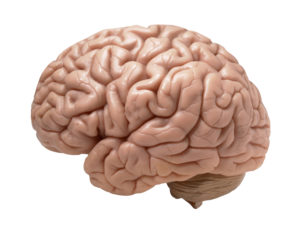
 Another study showing that higher physical activity (from a variety of activities) is "related to larger gray matter volume in the elderly, regardless of cognitive status", specifically in gray matter areas of the brain responsible for memory, learning, and cognition. In other words, higher levels of physical activity reduce brain atrophy that occurs with aging and improves cognitive function in elderly individuals. There is also discussion of higher activity levels improving cerebral (brain) blood flow. Bottom line: get off your butt and move more for better brain health. From Medical Xpress:
Burning more calories linked with greater gray matter volume, reduced Alzheimer's risk
Whether they jog, swim, garden or dance, physically active older persons have larger gray matter volume in key brain areas responsible for memory and cognition, according to a new study by researchers at the University of Pittsburgh School of Medicine and UCLA.The findings, published today in the Journal of Alzheimer's Disease, showed also that people who had Alzheimer's disease or mild cognitive impairment experienced less gray matter volume reduction over time if their exercise-associated calorie burn was high.
A growing number of studies indicate physical activity can help protect the brain from cognitive decline, said investigator James T. Becker, Ph.D., professor of psychiatry, Pitt School of Medicine..... "Our study is one of the largest to examine the relationship between physical activity and cognitive decline, and the results strongly support the notion that staying active maintains brain health."
Led by Cyrus Raji, M.D., Ph.D., formerly a student at Pitt School of Medicine and now a senior radiology resident at UCLA, the team examined data obtained over five years from nearly 876 people 65 or older participating in the multicenter Cardiovascular Health Study. All participants had brain scans and periodic cognitive assessments. They also were surveyed about how frequently they engaged in physical activities, such as walking, tennis, dancing and golfing, to assess their calorie expenditure or energy output per week.
Using mathematical modeling, the researchers found that the individuals who burned the most calories had larger gray matter volumes in the frontal, temporal and parietal lobes of the brain, areas that are associated with memory, learning and performing complex cognitive tasks. In a subset of more than 300 participants at the Pitt site, those with the highest energy expenditure had larger gray matter volumes in key areas on initial brain scans and were half as likely to have developed Alzheimer's disease five years later.
"Gray matter houses all of the neurons in your brain, so its volume can reflect neuronal health," Dr. Raji explained. "We also noted that these volumes increased if people became more active over five years leading up to their brain MRI."
 Brain aging can be viewed as having 2 parts:
  Some studies with humans suggest that cancer growth is slowed with exercise, better cancer prognosis with regular exercise, and lowered cancer recurrence (e.g., exercise after prostate cancer diagnosis), but a recent study looked at the issue more in depth.
 This study showed an association of eating lots of flavonoid rich foods (strawberries, blueberries, cherries, blackberries, red wine, apples, pears, and citrus products) and lower rates of erectile dysfunction. A higher intake of several flavonoids also reduces diabetes and cardiovascular disease risk. Keep in mind that erectile dysfunction is thought to be of vascular etiology (the cause) and so shares risk factors (such as hypertension, obesity, and smoking) with cardiovascular disease. Studies have shown that
  A University of Georgia review study of the research literature shows that drinking coffee (instead of a caffeine supplement) improves athletic endurance performance. Also, that caffeine from coffee has
  Beware of big soda companies bearing gifts to scientists and their misleading messages to consumers. This time it is Coca-Cola that is trying to influence the research by funding scientists who shift blame for obesity to lack of exercise.There is a large body of evidence finding that what you eat is very important for health and weight control, and this does not mean a diet filled with highly processed foods, including soda.