Skip to content

Very interesting - that infections may be a trigger for a coronary heart disease event such as heart attack or ischemic stroke, within the next 3 months. [Ischemic strokes are strokes caused by a blood clot.] A recent study found that the association held for both inpatient (in hospital) and outpatient infections, but was stronger for inpatient infections . The most common infections before a heart attack or stroke were urinary tract infections (≈29%), pneumonia/respiratory infections (≈27%), skin and subcutaneous infections, and blood infections.

From Medical Xpress: Infections may be a trigger for heart attack, stroke

Diabetes, high blood pressure and elevated cholesterol are well-known risk factors for cardiovascular disease. But what about just getting sick? Could picking up some type of bug increase your chance of having a stroke or heart attack?  A new study suggests it could. 

...continue reading "Infections A Trigger For Heart Attack Or Stroke?"

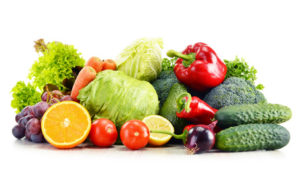
Another reason to eat fruits and vegetables daily - cognitive and memory functioning in later life. A large US study of 27,842 men found that a higher intake of fruits, vegetables, and orange juice for many years is linked to a lower risk of poor cognitive functioning in later years of life (70s and beyond). The study specifically looked at subjective cognitive function - a measure of earliest changes in cognitive functioning, including memory. This is the stage before "mild cognitive impairment". The study started in 1986 when the average age was 51 years, and continued till 2012. The men studied were all health professionals (e.g. dentists)

What was a high intake of fruits and vegetables? For vegetables: about 5.7 servings per day (while the lowest intake was 1.7 servings per day). For fruit: high intake was 3.1 servings per day (vs lowest intake was .5 servings per day). For fruit juice (orange juice): high intake was 1.5 servings per day (vs lowest intake was .1 servings per day). A serving of fruit is considered one cup of fruit or ½ cup of fruit juice. A serving of vegetables is considered one cup of raw vegetables or two cups of leafy greens.

The researchers found that green leafy vegetables, carotenoid-rich vegetables (esp. tomatoes and peppers), cantalope, berries, and orange juice to be especially protective. They point out that many antioxidant nutrients and bioactive substances (including vitamins A,B, C, and E, carotenoids, flavonoids, and polyphenols) are all found naturally in vegetables, fruits, and juices. These are thought to reduce brain oxidative stress, improve cognitive performance, and to prevent neuronal damage. In other words, all good things for the brain. From Science Daily:

Orange juice, leafy greens and berries may be tied to decreased memory loss in men

Eating leafy greens, dark orange and red vegetables and berry fruits, and drinking orange juice may be associated with a lower risk of memory loss over time in men, according to a study published in the November 21, 2018, online issue of Neurology, the medical journal of the American Academy of Neurology.  ...continue reading "Eat Fruits And Vegetables Every Day!"

In the US and other developed countries it is generally accepted that blood pressure increases with age -  that a blood pressure rise starts in childhood and that it's a normal part of aging. However, a new study found that this is not true - a South American rainforest tribe (the Yanomami) who do not eat a western diet (at all!) and have an active lifestyle, have the exact same blood pressure throughout life. This was true for all the individuals studied - from age 1 to 60. A nearby village of the Yekwana tribe have some western influences on lifestyle and diet, had the same low blood pressure in childhood, but showed increases with age.

The researchers feel that a Western diet and lifestyle play a role in the blood pressure increasing over the life span. They are now looking at the gut microbes of the two tribes to see what role they have in these blood pressure differences. Bottom line: get off your butt  and get active, and eat a high fiber, whole food diet (to feed the beneficial microbes) -  and avoid highly processed foods if you can. Easier said than done. From Science Daily:

Study of two tribes sheds light on role of Western-influenced diet in blood pressure

...continue reading "Blood Pressure Doesn’t Always Increase With Age"

A benefit (perhaps) of having the appendix taken out in childhood - it is associated with a lower rate of Parkinson's disease decades later in life, according to an international study that looked at health records of 1.7 million people in Sweden. Other main findings is that this finding is especially strong for individuals living in rural areas (and not urban areas), and that removing the appendix also delayed the age of Parkinson's disease onset in those who got the disease. But if you read further, there were other interesting findings in the study, even though much is still unknown - it's still a big puzzle with lots of pieces still to be filled in.

By the way, other recent research also supports the view that Parkinson's disease gets its start in the gut - and not in the brain, which is what everyone thought for years. But note that there are other risk factors such as certain pesticide exposure or drug use, or trauma to the head that are linked to Parkinson's disease. Many studies find that rural living is associated with a higher risk for Parkinson's disease, and it is thought this is probably due to higher exposure to pesticides, which then somehow contributes to the development of Parkinson's disease. From Medical Xpress:

Appendix removal is linked to lower risk of Parkinson's

Scientists have found a new clue that Parkinson's disease may get its start not in the brain but in the gut—maybe in the appendix. People who had their appendix removed early in life had a lower risk of getting the tremor-inducing brain disease decades later, researchers reported Wednesday.

Why? A peek at surgically removed appendix tissue shows this tiny organ, often considered useless, seems to be a storage depot for an abnormal protein—one that, if it somehow makes its way into the brain, becomes a hallmark of Parkinson's ...continue reading "Appendix Removal and Parkinson’s Disease"

Whoa.... a recent study examined food microbiomes (community of microbes) of some foods and found that the foods contained many species of microbes - hundreds of species! The foods examined were a variety of masala spice mixes, cilantro, smoked salmon, cucumbers, and mung bean sprouts.

Other studies have also found large numbers of bacterial species in all sorts of foods, including raw fruits and vegetables, cheeses, and fermented foods, such as kimchi. There are also bacterial differences between conventional and organic foods. No wonder it's good to eat a diverse diet - all those microbes that you're ingesting! A diverse gut microbial community in humans is considered healthy by researchers.

The researchers (all associated with the US FDA - Food and Drug Administration) looked at the bacterial "species richness" (number of different bacterial species) normally found on the 5 types of foods. They used modern genetic sequencing methods to analyze the food microbiomes and found a LOT of bacterial species ("high bacterial diversity"), as well as species unique to the different foods sampled - whether animal or plant based foods.

They found not only beneficial species, but also species associated with food spoilage. Every food had some bacteria that could eventually lead to food spoilage (which makes sense - eventually all foods can spoil). Also, how the food was handled and packaged, as well as moisture levels, influenced the bacterial species found in the foods.

The masala spice mixes were especially rich in bacterial species (from from 968 to 1097) and in unique species (19), but the mixes also contained as many as 17 ingredients. Cucumbers had between 227 and 423 bacterial species, and 216 to 573 species for cilantro. Smoked salmon samples had fewer species - ranging from 89 to 181 species. An example of the diversity is that the cucumber microbiome is comprised of species within Proteobacteria (45 to 85%), Firmicutes (2 to 40%), Actinobacteria (8 to 31%), and Bacteroidetes (0 to 2%).

I don't know if one can ever replenish all the bacteria lost from years of antibiotics (e.g. for sinus infections - both chronic and acute sinusitis), but this is a good reason to eat a variety of foods - for all the species of bacteria. These bacterial species are not found in general probiotic pills - one must eat the foods to ingest the variety and richness of microbes.

The researchers wrote: "Once established, the most likely source of new microbes joining our GI microbiome is the food we eat: each food stuff and commodity we consume likely contains a microbiome that passes through our bodies while nutritional ingredients and components are digested."

It is unknown how many of these microbes stick around in our body, but lots of research finds that a diet rich in fruits, vegetables, whole grains, seeds, nuts, legumes, some fish and meat (including poultry), some dairy - are beneficial to our gut microbiome, along with numerous health benefits. The fiber in these foods is also beneficial in that it feeds beneficial microbes. [see category NUTRITION for research, also Feeding Your Gut Microbes page.]

Excerpts from research by Karen G. jarvis et al in Frontiers In Microbiology:

Microbiomes Associated With Foods From Plant and Animal Sources

...continue reading "Common Foods Contain Hundreds Of Diverse Bacterial Species"

Something to think about: a group of international researchers found a correlation in Brazil between colon cancer and pesticides.

Brazil is one of the largest pesticide users in the world, and annual pesticide use is still increasing - along with increases in colon cancer and colon cancer deaths, especially in agricultural areas. While the study was correlational (didn't prove that pesticides caused the cancer) - what supports the findings is that some other studies in both humans and rodents found that pesticides increase the risk of colon cancer. Many pesticides are considered carcinogenic (cancer-causing).

The researchers pointed out that pesticides are contaminating water and food in Brazil, pesticide residues have been found in breast milk, pesticide residues in cow's milk exceed safety standards in some regions of Brazil, and 20% of food samples analyzed by one government agency between 2013 and 2015 were found to be unsafe for humans to eat due to high pesticide residue levels. One reason for recent  big increases in pesticide used is from genetically modified crops - so that they are resistant to pesticides (herbicides) applied.

Does all this sound familiar? It should - many of the same problems are occurring in the US, with pesticides found in water and food samples, in house dust, with steep increases in certain pesticides used due to their use on crops that are genetically modified to be resistant to pesticides (esp. glyphosate, 2,4-D), and pesticides are found in people (can be measured in blood, urine) - with levels of certain pesticides increasing (e.g. glyphosate).

Think of how casually people use pesticides - on their lawns, gardens, and in their homes. The bottom line is: what are we doing to ourselves with chronic low-level pesticide exposures? And it's not just one pesticide, it's many (so we're actually exposed to mixtures). [See posts on pesticides.]

Excerpts from Beyond Pesticides: Brazilian Researchers Link Rise In Colon Cancer To Increase In Pesticide Use    ...continue reading "Pesticides and Colon Cancer?"

31

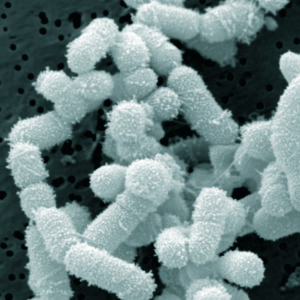
Probiotics are the future of sinusitis treatment. Research found that a probiotic (beneficial bacteria) that is lacking in those with chronic sinusitis, and which can successfully treat sinusitis is Lactobacillus sakei.

[See June 2022 updated version of this post.] This article is the summary of what has been learned over the past 7 years: the best L. sakei  products (such as kimchi and Lanto Sinus - which can treat even the worst recurring sinus infections, frequently within days), results of people trying various L. sakei products, and other possibilities for sinus health.

Back in 2012, a study by Abreu et al suggested Lactobacillus sakei as a possible treatment for sinusitis. In the past 6 years those conclusions have been supported by the experiences of hundreds of people contacting me, and my family's experiences with L. sakei products. It really is the best sinusitis treatment for most people!

When Lactobacillus sakei works as a treatment - it can seem miraculous as sinusitis symptoms gradually disappear or greatly improve. Many times within a few days! Unfortunately it doesn't work for everyone - for a minority there seems to be no effect, and it is not clear why. It also doesn't treat seasonal allergies or allergy symptoms.

Lactobacillus sakei works best when it is used only when needed, when there are sinus symptoms. No boosters needed when feeling well! (See Treatment Summary page for different ways to use products.)

The sinus microbiome is the community of microbes (bacteria, viruses, fungi) that live in the sinuses. This community can become disrupted and imbalanced (dysbiosis) from illnesses, allergies, or antibiotics and cause a sinus infection or sinusitis.

Research in the last decade has found that not only do sinusitis sufferers lack L. sakei, they have too much of some other bacteria, and they don't have the bacteria diversity in their sinuses that healthy people without sinusitis have. There is a depletion of some bacterial species, and an increase in "abundance" of other species.

Luckily Lactobacillus sakei is found in some foods (such as some brands of live fermented kimchi), some sausage starter cultures (such as B-2), and recently in some probiotic supplements (e.g. Lanto Sinus). One reason it is used in sausage starter cultures is because L. sakei dominates over and inhibits growth of pathogenic bacteria, including Staphylococcus aureus.

BACKGROUND STORY: Seven years ago there were no probiotics containing L. sakei. None. So instead members of my family experimented using a very easy kimchi sinusitis treatment (basically dabbing and smearing kimchi at certain stages of fermentation into the nostrils like a very messy eater) and found that it cured  chronic sinusitis of many years within several weeks. Obviously it contained L. sakei. It felt miraculous, especially because it was so easy to do.

After 7 years we still feel great! Because we no longer have chronic sinusitis and can easily treat sinusitis if it occurs with L. sakei, we have NOT taken antibiotics or any other bacteria killing spray or product (such as xylitol) for over 6 years. We do not use cortisone or antihistamine nasal sprays either.

WHEN A TREATMENT WORKS: Many of you have contacted me to report your own progress with various sinusitis treatments. People used terms such as "miraculous", "transformative", and "fabulous" when they had positive results with a product containing L. sakei.

When a treatment works, then all sinusitis symptoms go away  or there is major improvement - frequently within a few days. Symptoms that go away include post nasal drip, sinus headaches, "clogged ears", bad breath, and sinusitis-related coughs. Even tonsil stones! (Please note: trying products to treat sinusitis is self-experimentation - effects can be positive or negative. Always be cautious. Best results are to use L. sakei only when needed.)

OVERALL RESULTSThe majority of people contacting me with results reported positive results (chronic sinusitis greatly improved or totally gone) from some form of L. sakei treatment. Successes have been from the USA, Canada, Europe, Australia, New Zealand, Japan, and Africa. Since it's from self-experimentation and not a clinical trial, I don't know the actual percentage of positive results.

Some of the people reporting success have had multiple operations, some currently have deviated septums, some with nasal polyps, and all have had long-standing chronic sinusitis, some for decades.

Chronic sinusitis sufferers also reported that the same treatments also worked to treat acute sinusitis. It seems that after colds, etc. many develop acute sinusitis again and need re-treatment (the L. sakei frequently doesn't stay in the sinuses from earlier treatments). However, the sinuses do continue improving over time, so fewer and more minimal treatments (perhaps only a few days) are needed over time.

Another very small group reported that other probiotic strains helped (but it is not always clear whether they also tried a L. sakei product), and minority of people reported that nothing has helped and there could be a variety of reasons for this (see below). Some people reported that one product helped, but not another - whether kimchi or a L. sakei product.

THREE MAIN PRODUCT CATEGORIES: Products containing live Lactobacillus sakei which people have reported success in treating sinusitis: kimchi (and some sauerkraut), refrigerated products (e.g. Lanto Sinus), and frozen products. Note that currently the FDA does not allow any probiotics to be sold as a medical treatment – they can only be sold as a supplement.

Using the following products to treat sinusitis is self-experimentation (results are unknown and can vary). Always be cautious. (See Sinusitis Treament Summary page for methods.)

KIMCHI - Many people report that kimchi helped them. And one person reported a homemade kimchi worked great (he was finally symptom free after many years). A few have even mentioned that kimchi has helped sinusitis with fungal problems.
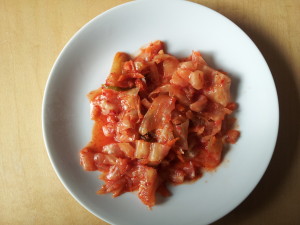
Kimchi brands that people reported helping their chronic sinusitis: Sunja's Kimchi (medium spicy cucumber kimchi and mild white kimchi), Sinto Gourmet brand kimchiMama-O's Premium Kimchi, the white Napa kimchi and cabbage kimchi made by Choi's Kimchi Company, Farmhouse Culture Kimchi, Mother-in-law's KimchiOzuke Kimchi, in the United Kingdom the brand Mr Kimchi, and in Australia Kehoe's Kitchen white kimchi.

[Finding a kimchi brand with L. sakei is due to self-experimentation. The kimchi must be live, and not pasteurized. We found that kimchi may contain L. sakei from about day 14 (or earlier) to about 2 to 2 1/2 months (from the day it's made.]

When the kimchi contained L. sakei we felt the same or started feeling better within one or 2 days. If we felt more mucusy over the next 2 days, or the acute sinusitis kept getting worse, than it did not contain L. sakei. Researchers feel that it's the garlic in kimchi that encourages L. sakei growth.

SAUERKRAUT - Sauerkraut has worked for some people if it is sauerkraut made with garlic, such as some varieties of Cleveland Kraut. Researchers feel that it's the garlic in kimchi that encourages L. sakei growth, and traditional sauerkraut typically doesn't contain garlic.

REFRIGERATED LACTOBACILLUS SAKEI PRODUCTS  – A high-quality refrigerated L. sakei product specifically meant for the sinuses and treatment of sinusitis is sold by Lanto Health. The kimchi derived Lactobacillus sakei product called Lanto Sinus is meant to be used when needed. Lanto Sinus  holds up well in the refrigerator, is effective, reliable, and easy to use. This product ships well because it holds up for a while (days) without refrigeration.

People have reported success using it mixed with bottled water (dabbing, smearing, spooning a little in nostrils), or swishing it dry in the mouth. I’ve been a consultant with Lanto Health on this product and have been testing and using this product successfully for over 2 years (self-experimentation!).    ...continue reading "The Best Probiotic For Sinus Infections"

1

Suffering from "tennis elbow" ? A new study suggests that it may be best to just wait for the elbow to heal on its own.

Tennis elbow is the painful condition that develops after "overuse" - it's a repetitive stress injury, which typically occurs in the person's dominant arm. The medical name for tennis elbow is enthesopathy of the extensor carpi radialis brevis (eECRB), or lateral epicondylitis. There are many non-surgical alternatives available, such as ultrasound, laser therapy, botulinum toxin injection, corticosteroid injection, etc., but there has been controversy over what works best in reducing pain and improving grip strength (grip strength is diminished in tennis elbow).

Researchers at Beth Israel Deaconess Medical Center compared 11 non-surgical methods of treating tennis elbow, including a placebo group (which received a "sham treatment", such as a saline injection to mimic a treatment, but really was a no treatment group. They reviewed 36 high quality studies, and found that for persons receiving only a placebo - within four weeks most reported little or no pain, and by 26 weeks 99 percent reported little or no pain. Those who received no treatment (placebo) also had the fewest side-effects (e.g. worsened pain, reduced elbow movement, skin rash, nausea, allergic reaction). The odds of an adverse effect was significantly greater in all treatment groups than in the no treatment (placebo) group.

The researchers did mention that of all the treatments, only laser therapy improved both pain and grip strength more than placebo at one month. Some treatments, such as corticosteroid injections, while relieving pain short-term (in the first month), resulted in more pain at 26 weeks than individuals who received no treatment. The researchers wrote: " At best, all treatments provided only small pain relief while increasing the odds of adverse events." They also said that perhaps some people, such as manual laborers, may benefit by short term pain relief treatments. But long-term - doing nothing is best.

From Science Daily: Tennis elbow treatments provide little to no benefit, study finds        ...continue reading "Perhaps No Treatment Is Best For Tennis Elbow?"

A recently published study was good news for those who eat organic foods. The large French study (about 69,000 people) found a  significantly lower risk of getting cancer (25% lower) in people who ate a lot of organic food - when compared to people who rarely or never ate organic food.

The participants in the study were followed for an average of 4.6 years. Cancers with the greatest decreased risk were breast cancer (especially in postmenopausal women) and all lymphomas, especially non-Hodgkin lymphoma.

The researchers summarized the findings as:  "In a population-based cohort study of 68 ,946 French adults, a significant reduction in the risk of cancer was observed among high consumers of organic food." and "...if the findings are confirmed, promoting organic food consumption in the general population could be a promising preventive strategy against cancer." This could be an easy way to cut cancer risk! (Other organic food benefits.)

Of course the pesticide and conventional agriculture industry went nuts attacking the study - this finding goes against their message that pesticides are fine and necessary, don't worry about pesticide residues in food, and that antibiotics and other medicines are safe when given routinely to animals.

Unfortunately, research finds that a number of pesticides used in conventional farming are considered carcinogenic (cancer causing), and pesticide residues are found in conventionally grown foods. Eating conventional foods every day results in chronic low-dose pesticide residue exposure. The researchers suspect the pesticide residues in foods is the reason for the higher cancer risk. [Note: those pesticides are not allowed to be used in organic farming.]

What foods did the researchers ask about? They asked people about the consumption of 16 types of labeled organic food products: fruits; vegetables; soy-based products; dairy products; meat and fish; eggs; grains and legumes; bread and cereals; flour; vegetable oils and condiments; ready-to-eat meals; coffee, tea, and herbal tea; wine; biscuits, chocolate, sugar, and marmalade; other foods; and dietary supplements. In other words, all the foods we eat daily.

But what I found really interesting was a review of the study by Dr. Charles Benbrook (Visiting Scholar in the Bloomberg School of Public Health, Johns Hopkins University, and a Visiting Professor at the Univ. of Newcastle in the UK). He correctly points out that the results are big news and a big deal.

Excerpts from Environmental Health News: Charles Benbrook: New study showing organic diets cut cancer risk is a big deal. Let’s treat it that way.      ...continue reading "Lower Cancer Risk By Eating Organic Food?"

Taller people have increased rates of cancer. Why? A study from a Univ. of California researcher found a link between height and cancer risk, and support for it being due to taller people having a greater number of cells. The more cells, the more mutations - which increases the risk of getting cancer. The study pooled data from 4 large studies (from the UK, the US, Norway, Sweden and Austria, and Korea). The researcher found that the increase in height and increased cancer relationship held for most cancers in both men and women. 18 out of 23 cancers (when combining male and female data) showed a "height effect".

The average heights for women  were 162 cm (64 inches) and 175 cm (69 inches) for men - and beyond that for every 10 cm (4 inches) increase in height, there was a 10% increase in cancer risk. The cancers that did not show a height effect were pancreas, esophagus, stomach, mouth/pharynx, as well as cervical cancer in women. From Medical Xpress:

Study finds taller people more likely to get certain cancers due to cell numbers

A researcher at the University of California's Department of Evolution, Ecology and Organismal Biology has found evidence that taller people are more prone to getting cancer due to their larger number of cells. In his paper published in Proceedings of the Royal Society B, Leonard Nunney describes his study, involving comparing height with cancer risk and factoring in the total number of cells in the body. 

...continue reading "Increased Height Increases Risk of Cancer"