Skip to content

6

Image result My last post discussed Lactobacillus crispatus as an important bacteria for womens' vaginal health and as a possible treatment for bacterial vaginosis (BV) - a condition where the vaginal microbes are out of whack (dysbiosis). It appears that Lactobacillus crispatus may also be a possible treatment for women with urinary tract infactions (UTIs), a condition where again microbes are out of whack.

The bacteria Lactobacillus crispatus is part of the vaginal microbiome of many healthy women and thought to be protective. It is unknown whether L. crispatus would also work for men with UTIs.

In the US, the vaginal suppository product Lactin-V (containing the freeze dried human vaginal strain of L. crispatus CTV-050) is currently being tested for both bacterial vaginosis and recurring urinary tract infections (UTIs). So far there are positive results for this product (manufactured by Osel, Inc.) in phase 2 clinical trials, but it may be years away from FDA approval.

The following article excerpts are from April 2011, but these are still the most recent published research results for this probiotic (beneficial bacteria). The results are pretty convincing that beneficial bacteria might some day replace standard medical treatment (antibiotics) for UTIs.  The Lactin-V treatment in women with recurrent UTIs resulted in "robust and prolonged colonization with Lcrispatus" in the vagina, which resulted in reducing the incidence of UTIs by about 50%.

But...the results also showed that which strain of L. crispatus the women had was important - some women had lots of one strain of "endogenous" L. crispatus - naturally occurring in them - that was not protective. Or...it could be that other microbes that are not being looked at are also important.

Of course researchers are also looking at other beneficial bacteria and there has been more recent research. D-Mannose and cranberry supplements have also been found to be effective in treating UTIs of many women (see herehere, and here), as well as changing the urine's acidity through diet.

While studies typically focus on women, these other products also work for UTIs in men (D-Mannose and cranberry supplements seem to be especially effective). Looks like probiotics and alternative treatments (D-mannose, cranberry supplements, etc.) are the future in treating UTIs!

From Medscape: Pro biotic May Help Prevent Recurrent Urinary Tract Infection ...continue reading "Urinary Tract Infections and Lactobacillus Crispatus"

Image result Today I read an interesting article about bacterial vaginosis and research on bacteria that could finally treat it effectively. Bacterial vaginosis (BV) appears to be a problem with the microbial community of a woman's vagina being out of whack (dysbiosis). Common symptoms include increased white or gray vaginal discharge that often smells like fish, there may be burning with urination and sometimes itching, and the discharge has higher than normal vaginal pH (alkaline).

One bacteria that seems to be very important and beneficial for vaginal health is Lactobacillus crispatus. Research suggests that L. crispatus may be a treatment for both bacterial vaginosis and urinary tract infections. Currently the treatment for BV is a course of antibiotics, but the problem recurs frequently.

In the US, the vaginal product Lactin-V (containing the freeze dried human vaginal strain of L. crispatus CTV-05, and used as an vaginal suppository) is currently being tested (with so far positive results in phase 2 clinical trials) for both bacterial vaginosis and recurrent urinary tract infections (UTIs). But it may be years away from FDA approval. The biopharmaceutical company Osel Inc. is currently conducting research on this product, and as of May 2016 is recruiting women for a phase 2b clinical study of this product in the US.

Other sources that I know of for the bacteria L. crispatus are: the probiotic Ordesa DonnaPlus+Intimate Flora (manufactured in Spain) and NaturaMedicatrix LactoGyn Crispatus Bio (made in Luxembourg). However, these are different strains of L. crispatus than what has been successfully tested using Lactin-V. (It is unknown whether this makes a difference.) Both are meant to be taken orally (swallowed daily) - which may or may not be an effective way to get L. crispatus in the vagina (it is unknown which way works best).

Other probiotics, especially Lactobacillus species, may also benefit vaginal health. One way to get an idea of products women find helpful is to look at user comments after products listed on Amazon. (By the way - douches, sprays, wipes, deodorizers, and special soaps will not help bacterial vaginosis.... Not at all.).

The following article was written by science journalist Kendall Powell. Do click on the link and read the entire article to get an idea of the complexity of the problem, the role of various bacteria in vaginal health, other health problems that occur with BV, ethnic differences, and how certain bacteria can alter vaginal mucus (leaving women vulnerable to infection). It is clear that much is unknown, but it looks like vaginal health depends on a "healthy microbial community". Excerpts from Mosaic:

The superhero in your vagina

The aisle is marked with a little red sign that says “Feminine Treatments”. Squeezed between the urinary incontinence pads and treatments for yeast infections, there is a wall of bottles and packages in every pastel shade imaginable. Feminine deodorant sprays, freshening wipes, washes for your “intimate area”.

Vaginal odor might be the last taboo for the modern woman.....The companies behind these products know that many women are looking for ways to counter embarrassing and debilitating symptoms such as vaginal odor and discharge. The culprit is often bacterial vaginosis, the most common vaginal infection you’ve probably never heard of. Nearly one-third of US women of reproductive age have it at any given time. The sad truth is that these sprays, soaps and wipes will not fix the problem. They will – in many cases – actually make it worse.

But while women try to mask embarrassing smells, a more sinister truth also remains under cover: the bacteria responsible are putting millions of women, and their unborn babies, at risk from serious health problems. All of which is making researchers look anew at the most private part of a woman’s body, to understand what it means to have a healthy – some prefer “optimal” – vagina and why that is so important for wider health.

Compared with those of other mammals, the human vagina is unique. As warm, moist canals exposed to all sorts of things including penises, babies and dirt, most mammalian vaginas harbour a diverse mix of bacteria. However, for many women, one or another species of Lactobacillus has become the dominant bacterial resident. Lactobacillus bacteria pump out lactic acid, which keeps the vaginal environment at a low, acidic pH that kills or discourages other bacteria, yeast and viruses from thriving. There are even hints that certain Lactobacillus species reinforce the mucus in the vagina that acts as a natural barrier to invaders.

For the most part, we’ve been happily cohabitating ever since, but it’s a delicate balancing act. Normal intrusions to the vaginal environment, such as semen (which causes vaginal pH to rise) or menstruation, can reduce numbers of Lactobacillus and allow other microbes, including those associated with bacterial vaginosis (BV), to flourish.

Her doctor explained that BV is a disturbance of the natural balance of bacteria that live inside the vagina. Sex with someone new, having multiple partners, and douching – rinsing out the vagina with a bag or bottle of liquid – can all contribute to getting BV, but it is not classified as a sexually transmitted disease. Mostly, how a woman develops BV is still a big mystery.

And if the embarrassment and discomfort weren’t enough, BV has a far more menacing side. Women affected have a higher risk of contracting sexually transmitted infections (STIs) like gonorrhoea and chlamydia, acquiring and transmitting HIV, and having pelvic inflammatory disease (which can lead to infertility) and other vaginal and uterine infections. During pregnancy, BV gives a woman a greater chance of having a preterm birth or passing infections to her baby, both of which can lead to lifelong problems for the baby.

Holmes felt the syndrome should be renamed bacterial vaginosis, which loosely translates to “too much bacteria”. And fulfilling three of the four Amsel criteria – thin vaginal discharge, vaginal pH greater than 4.5, positive whiff test and clue cells – is still used by many doctors today to diagnose BV.

They are realising that all Lactobacillus bacteria – long thought to keep vaginas healthy – are not created equal. For some researchers, L. crispatus is emerging as the vagina’s superhero. It not only pumps out the best mix of two different types of lactic acid to keep the vagina inhospitable to other bugs, but it also fortifies a woman’s vaginal mucus to trap and keep at bay HIV and other pathogens.

In 2011, Larry Forney, an evolutionary ecologist at University of Idaho in Moscow, and Jacques Ravel, a microbial genomicist from the University of Maryland School of Medicine in Baltimore, sequenced the bacterial species found in the vaginas of nearly 400 North American women who didn’t have the symptoms of BV. They found five different types of bacterial community. Four of these were dominated by different Lactobacillus species, but the fifth contained a diverse mix of microbes (including Gardnerella, Sneathia, Eggerthella and Mobiluncus species), many of which have been associated with BV. 

The African studies leave researchers clamouring for better solutions for these women. Like others, van de Wijgert believes that the solution lies in getting the right bacteria to set up house in women’s vaginas. In 2014, she found that Rwandan sex workers with L. crispatus dominant in their vaginas were less likely to have HIV and other STIs. This bacterium may have even protected the clients of HIV-positive sex workers somewhat, because these women were also less likely to shed HIV in the vagina.

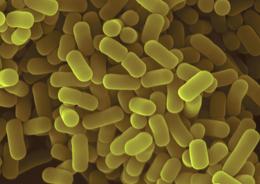
Image result Lactobacillus crispatus Credit: MicrobeWiki

We all know that exercise is beneficial for health. Research suggests that exercising out in nature is best for several varied reasons -  including that it lowers markers of inflammation, and that it's good for our gut microbiome (community of gut microbes). The following excerpts are written by Dr. John La Puma encouraging other doctors to prescribe exercise for their patients and why.

An important message of his is that exercise is more important than a drug prescription for a number of conditions, including diabetes prevention, reducing the risk of recurrence of several cancers (he mentions breast cancer, but it also holds for prostate cancer). While exercising and walking out in nature may be best, any exercise anywhere is better than no exercise. (Other posts on exercise as prescription medicine are here and here; and check the category exercise for all exercise research posts).

From Medscape: Rx: Exercise Daily -- Outdoors. Doctor's Orders

With dazzling Olympic feats on display all summer, too many of my patients are still literally immobilized. Medically, sitting too long shuts off the enzyme lipoprotein lipase. In people who are sedentary, the enzyme doesn't break down fat to create energy, like it should. But medical prescription for exercise has lagged even the slowest runner. Why? Some reasons are time, training, and money. Time especially is a scarce commodity: The average clinician visit lasts just 20 minutes. Fitness is a shamefully small part of medical training. And as doctors, we don't get paid for discussing exercise, let alone monitoring a prescription and assessing the response. 

Finally, there are practical reasons. Clinicians find it difficult to persuade patients that exercise is more effective than medication for any number of conditions, including stroke recovery, diabetes prevention, and treatment of low back pain. Regular exercise reduces the risk for recurrent breast cancer by approximately 50%. Given all these reasons, it's easy to see why fitness prescriptions are seldom more than an afterthought. Yet even without formally prescribing the frequency, intensity, time, and type of exercise, clinicians can speak with patients and families about fitness in inspiring, life-changing ways.

Because clinicians have a secret weapon to use that most people don't even know about—location. Exercising in nature (in sight of and preferably near water or greenery, whether a deserted beach or an urban park) is better. Walking city streets and the office itself can be harder on your health than you think. In both environments, your attention is demanded and directed—sometimes by digital interruptions, sometimes by vehicles, toxins, or duties. In nature, your attention is drawn, not pushed, to a variety of often unexpected but not unpleasant sounds, colors, aromas, textures, and forms.

A recent Stanford study of nature therapy showed significantly reduced rumination after a 90-minute walk in nature, compared with a 90-minute walk through an urban environment. On MRI, "nature walkers" showed lower activity in an area of the brain linked to risk for mental illness, the subgenual prefrontal cortex, compared with "urban walkers." In other words, nature offers a sense of something bigger than ourselves on which to focus. MRIs show the way the brain changes when that sense occurs to us.

Exercising in nature may improve a person's immune system by enriching the diversity in the microbiota. Microbiota buffer the immune system against chronic stress-related disease. They appear to act as a hormone-producing organ, not simply a collection of beneficial bacteria. Microbiota are sensitive and responsive to physical environmental changes as well as dietary ones. So, exercise in nature may favorably boost microbiota.

And finally, exercise in nature is clinically preferred and calming. A Norwegian study showed that exercise in nature and in view of nature improves both mood and diastolic blood pressure vs exercise without nature. A Chinese study showed higher energy levels, and lower levels of interleukin-6 and tumor necrosis factor (both markers of inflammation), in a forest walking group compared with an urban exercising group. A British study showed significantly improved mood and self-esteem with "green" exercise, with the largest benefits from 5-minute engagements. Five minutes!

Of course, there are areas in our country and world in which it is dangerous to walk, never mind exercise. It may not be as easy to generate sweat and intensity with outdoor exercise as it is with indoor exercise. It may be stormy, or baking hot, or otherwise harsh outside, and the cool recesses of one's own bedroom or the gym may be just perfect for you today. And with the 2013 total cost of inactivity estimated at $24.7 billion for the United States, and with the public sector bearing almost one half of that expense, any exercise anywhere is better than none.  Yet physicians have a therapeutic tool few others in our culture wield—a prescription pad—and we have every patient's attention, at least for a few minutes. Patients try harder when doctors advise them about fitness. 

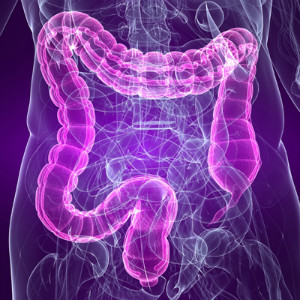
Image result for ibd Exciting new research about what is going on in the gut microbiome (the community of microbes) of people with Crohn's disease - a debilitating intestinal bowel disease (IBD) which causes severe abdominal pain, diarrhea, weight loss, and fatigue. A number of earlier studies focused on gut bacteria and found dysbiosis (microbial community out of whack) in those with Crohn's disease.

This new research also looked at fungal species and found that there is an "abundance" of 2 species of bacteria (Serratia marcescens and Escherichia coli) and one fungal species (Candida tropicalis) and that these interact in the gut in persons with Crohn's disease. In persons with Crohn's disease the abundance of potentially pathogenic bacteria is increased (Escherichia coli, Serratia marcescens, and Ruminococcus gnavus), while beneficial bacteria (such as Faecalibacterium prausnitzii) are decreased. From Science Daily:

Fungus in humans identified for first time as key factor in Crohn's disease

A Case Western Reserve University School of Medicine-led team of international researchers has for the first time identified a fungus as a key factor in the development of Crohn's disease. The researchers also linked a new bacterium to the previous bacteria associated with Crohn's. The groundbreaking findings, published on September 20th in mBio, could lead to potential new treatments and ultimately, cures for the debilitating inflammatory bowel disease, which causes severe abdominal pain, diarrhea, weight loss, and fatigue. "We already know that bacteria, in addition to genetic and dietary factors, play a major role in causing Crohn's disease," said the study's senior and corresponding author, Mahmoud A Ghannoum, PhD.

Both bacteria and fungi are microorganisms -- infinitesimal forms of life that can only be seen with a microscope. Fungi are eukaryotes: organism whose cells contain a nucleus; they are closer to humans than bacteria, which are prokaryotes: single-celled forms of life with no nucleus. Collectively, the fungal community that inhabits the human body is known as the mycobiome, while the bacteria are called the bacteriome. (Fungi and bacteria are present throughout the body; previously Ghannoum had found that people harbor between nine and 23 fungal species in their mouths.)

The researchers assessed the mycobiome and bacteriome of patients with Crohn's disease and their Crohn's-free first degree relatives in nine families in northern France and Belgium, and in Crohn's-free individuals from four families living in the same geographic area....The researchers found strong fungal-bacterial interactions in those with Crohn's disease: two bacteria (Escherichia coli and Serratia marcescens) and one fungus (Candida tropicalis) moved in lock step. The presence of all three in the sick family members was significantly higher compared to their healthy relatives, suggesting that the bacteria and fungus interact in the intestines. Additionally, test-tube research by the Ghannoum-led team found that the three work together (with the E. coli cells fusing to the fungal cells and S. marcescens forming a bridge connecting the microbes) to produce a biofilm -- a thin, slimy layer of microorganisms found in the body that adheres to, among other sites, a portion of the intestines -- which can prompt inflammation that results in the symptoms of Crohn's disease.

This is first time any fungus has been linked to Crohn's in humans; previously it was only found in mice with the disease. The study is also the first to include S. marcescens in the Crohn's-linked bacteriome. Additionally, the researchers found that the presence of beneficial bacteria was significantly lower in the Crohn's patients, corroborating previous research findings.

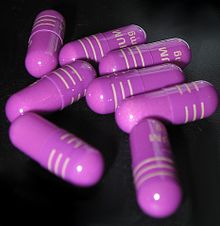
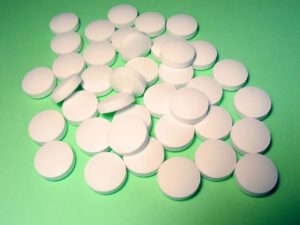
The latest development in treating stubborn cases of Clostridium difficile infections (CDI) are "poop pills" - pills that patients can easily swallow rather than having to go through a fecal microbiota transplant (FMT). The "poop pills" are filled with blenderized fecal matter from healthy donors, are much easier for patients to swallow, and they successfully treat C. difficile at almost the same rate as fecal microbiota transplants - about 91% after 1 or 2 treatments for the pills, and 93 to 96% for FMT. This is an amazing success rate for an infection that debilitates people, is resistant to antibiotics in many cases, and even kills people.
Interestingly, these "poop pills" or "Capsule FMT" containing an entire microbiome (bacteria, viruses, fungi, etc) had fantastic results, as compared to a probiotic for the treatment of C. difficile tested by microbiome therapeutics company Seres Therapeutics Inc. In July 2016 Seres announced very disappointing results (no better than a placebo) with its product known as SER-109, a mix of various strains of bacteria.

So why did the Seres probiotic not work in clinical trails? The answer seems to be that the human gut (and so also human fecal matter) contains an entire community of microbes - hundreds of species of bacteria, as well as fungi, viruses, and archaea, but the Seres probiotic was just a mixture of some types of bacteria. This shows how little we know right now. (NOTE: For those interested, the "poop pills" or Capsule FMT is now offered as standard care for recurrent CDI at Massachusetts General Hospital.) From BioMedCentral:

Oral, frozen fecal microbiota transplant (FMT) capsules for recurrent Clostridium difficile infection

Fecal microbiota transplantation (FMT) has been shown to be safe and effective in treating refractory or relapsing C. difficile infection (CDI), but its use has been limited by practical barriers. We recently reported a small preliminary feasibility study using orally administered frozen fecal capsules. Following these early results, we now report our clinical experience in a large cohort with structured follow-up. We prospectively followed a cohort of patients with recurrent or refractory CDI who were treated with frozen, encapsulated FMT at our institution. The primary endpoint was defined as clinical resolution whilst off antibiotics for CDI at 8 weeks after last capsule ingestion. Safety was defined as any FMT-related adverse event grade 2 or above.

Overall, 180 patients aged 7–95 years with a minimal follow-up of 8 weeks were included in the analysis. CDI resolved in 82 % of patients after a single treatment, rising to a 91 % cure rate with two treatments. Three adverse events Grade 2 or above, deemed related or possibly related to FMT, were observed. We confirm the effectiveness and safety of oral administration of frozen encapsulated fecal material, prepared from unrelated donors, in treating recurrent CDI. Randomized studies and FMT registries are still needed to ascertain long-term safety.

The epidemiology of Clostridium difficile infection (CDI) is evolving. Rates of infection are increasing and response to standard antimicrobial treatment with metronidazole or vancomycin may be suboptimal [1, 2].....Fecal microbiota transplant (FMT) has been shown to be safe and effective in treating refractory or relapsing CDI [4, 5, 6, 7, 8], but its use has been limited by practical barriers. Among other concerns, the administration of FMT by colonoscope or naso-gastric/duodenal tube exposes the patient to some risk and discomfort. We recently reported a preliminary feasibility study using orally administered frozen fecal capsules, prepared from unrelated donors, to treat 20 patients with recurrent CDI [9]. Following these encouraging results, we have continued treating patients with FMT capsules. We report our clinical experience in a large cohort with structured follow-up.

Donated fecal matter was blenderized, sieved, centrifuged, and suspended in concentrated form in sterile saline with 10 % glycerol. The suspension was double-encapsulated in hypromellose capsules (Capsugel, Cambridge, MA) and stored at –80 °C for up to 6 months pending use. Processing was done entirely under ambient air. FMT recipients discontinued any anti-CDI treatment for 24–48 hours prior to FMT, and were given 15 capsules on each of two consecutive days with water or apple sauce. The 30 capsules contained sieved, concentrated material derived from a mean of 48 g of fecal matter.

Of the 180 patients reaching 8 weeks, 147 were cured of CDI after the first administration of fecal capsules (82 %). Twenty six individuals relapsed within 8 weeks and were re-treated, with 17 responding, resulting in an overall cure rate of 91 % with one or two treatments. Six individuals declined re-treatment (our standard procedure in these cases is to offer long-term suppressive oral vancomycin treatment). Three patients were cured after a third administration, but were considered “non-responders” as per protocol definition. One patient received three treatments, relapsed, and was advised to continue suppressive vancomycin.

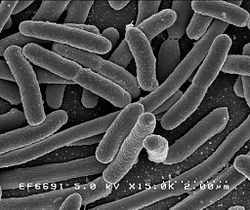
Here is an amazing short video for those interested in seeing how bacteria mutate and grow when exposed to antibiotics - and evolving to become superbugs. Researchers filmed an experiment that created bacteria a thousand times more drug-resistant than their ancestors. In the time-lapse video, a white bacterial colony (E.coli bacteria) creeps across an enormous black petri dish plated with vertical bands of successively higher doses of antibacterial drugs (antibiotics).
How they did it: The researchers imaged the E. coli bacteria every 10 minutes for 10 days as the microbes expanded across the plate. You can see that the bacteria paused briefly at the boundaries of increasingly stronger antibiotic concentrations until a mutant bacteria struck out into the stronger antibiotic territory. By challenging the bacteria with differing doses of antibiotic, the team demonstrated that E. coli evolve higher resistance more quickly if they first encounter an intermediate, rather than a high, concentration of antibiotic. It's a beautiful, yet horrifying video. NOTE: the bacteria grows on agar, which is a thick, clear substance that comes from seaweed and is used for growing bacteria in scientific research. From Harvard Medical School, on YOUTUBE:

From NPR:  WATCH: Bacteria Invade Antibiotics And Transform Into Superbugs

In the time-lapse video, a white bacterial colony creeps across an enormous black petri dish plated with vertical bands of successively higher doses of antibiotic. The colony pauses when it hits the first band of antibiotic, creating a stark border between the white colony and the black petri dish. Then the bacteria start to edge their way into the toxic soup. More dots appear and they start growing, racing to the next, stronger band of antibiotic. The bacteria are evolving. After almost two weeks of real time have passed, they've become resistant to the strongest completely taken over the kitchen-table-sized petri dish.

We know dangerous bacteria are getting stronger all the time and that it's our fault because of our excessive and indiscriminate use of antibiotics. Each year, 23,000 people in the U.S. die as a result of superbug infections. But we typically don't get to see superbugs created.... Their video and report were published Thursday in the journal Science. 

This article by Dr. Thomas E. Finucane lays out nicely a paradigm shift in how to view uncomplicated urinary tract infections (UTIs) - as a case of dysbiosis (microbial community out of whack), and that antibiotics to kill bacteria are generally not needed or helpful. (He doesn't mention it, but the next step in his argument should be that probiotic or beneficial bacteria or other microbes may improve the microbial community and symptoms.) A main point of the article is that we now know the urinary tract is not sterile - instead diverse microbiota live there (the microbial community is the microbiome) including bacteria and viruses (the virome), and that these stable microbial communities are generally beneficial. Standard cultures do not pick up all the microbes living in the urinary tract.

He points out that: UTI symptoms are usually self-limited, of brief duration and only slightly shortened by antibiotic treatment; that cystitis rarely progresses to pyelonephritis (which does need antibiotic treatment); and that randomized trials show no reduction in the risk of progression to pyelonephritis with antibiotic treatment. He stresses the "generally benign (other than symptoms) nature of “symptomatic UTI” is suggested by the billions of persons around the world and over the years who have suffered “UTI” without access to antibiotics and have recovered fully". And that "urinary tract dysbiosis" may be a better description of what a woman is experiencing.

However, I would like to add that to a person experiencing an UTI, the pain does not at all feel "benign". So look at the posts on UTIs and treatments and perhaps try something like D- mannose  or cranberry supplements, or both. From The American Journal of Medicine:

“Urinary tract infection” and the microbiome

The current paradigm for managing uncomplicated “urinary tract infection” (“UTI”) is deeply flawed. “UTI” is ambiguously defined and, coupled with a belief that “bacteria are not normal inhabitants of the urinary tract, the diagnosis often leads to unnecessary, harmful antibiotic treatment. Although bacteriuria identified by standard clinical cultures (which we will call standard bacteriuria) is central to most definitions, more sensitive diagnostic tests now demonstrate that “urine is not sterile2 and that standard bacteriuria represents a fraction of the diverse microbiota hosted by the urinary tract. Knowledge of this complex, generally beneficial microbiome deeply undermines the current paradigm, which relies on the findings of standard culture. By acknowledging this microbiome a successor paradigm will generate new questions about relationships among host, microbiome and antibiotic use and will almost surely show additional serious harms from antibiotic overtreatment.

This discussion concerns medically stable, non-pregnant adults with normal urinary tract structure and function. The role of antibiotics in patients with abnormalities of anatomy or physiology, such as spinal cord injury, urinary obstruction, or catheters, will require careful investigation. New insight into pyelonephritis and bacteremic bacteriuria is likely to develop.

The ambiguous definition of “UTI” seems to promote antibiotic overuse. In one common usage, “urinary tract infection is defined as microbial infiltration of the normally sterile urinary tract.” With this definition, asymptomatic bacteriuria is a “UTI” and is often treated, even in patient groups where strong evidence shows lack of benefit.4 A second common definition, “significant bacteriuria in a patient with symptoms or signs attributable to the urinary tract and no alternate source” seems more restrictive but does not define what symptoms or signs may be attributed to the urinary tract. This ambiguity creates opportunities for overtreatment....Antibiotic treatment of “UTI” often follows even though no data have shown these changes respond to treatment.

Canonically, “all symptomatic UTI should be treated” but actual benefit is limited. Hooton emphasizes that in acute uncomplicated cystitis “the primary goal of treatment is to ameliorate symptoms.” Foxman summarizes that symptoms are usually self-limited, of brief duration and only slightly shortened by antibiotic treatment; that cystitis rarely progresses to pyelonephritis; and that randomized trials show no reduction in the risk of progression to pyelonephritis with antibiotic treatment.7 The generally benign (other than symptoms) nature of “symptomatic UTI” is suggested by the billions of persons around the world and over the eons who have suffered “UTI” without access to antibiotics and have recovered fully.

With its various meanings, convenient diagnosis, long tradition, suggestive link to treatment and uncritical acceptance by clinicians, patients, families and insurers, “UTI” remains heavily embedded in practice, “one of the most common bacterial infections worldwide”. The paradigm provides tidy management for a patient with “UTI” who expects antibiotics. Further, the current paradigm does account for several findings. Standard bacteriuria is associated with pyuria, fever and dysuria, for example, and these often improve with treatment, as do a wide variety of findings seemingly unconnected with the urinary tract. Antibiotic treatment improves outcomes for asymptomatic pregnant women who have standard bacteriuria. Pyelonephritis and bacteremic bacteriuria probably arise in the urinary tract and do require antibiotic treatment.

To diagnose “UTI” and determine antibiotic sensitivity based on results of standard cultures, however, is to rely on familiar, accessible data and to ignore the dozens of bacterial speciesas well as intracellular bacterial colonies and urinary virome known to reside in the urinary tract. Current discussions of symptomatic or asymptomatic bacteriuria or sterile urine are similarly problematic. To attribute delirium to standard bacteriuria seems unjustifiable, knowing that most or all people with or without delirium have bacteriuria. The current paradigm is defensible only if all pathogenic organisms are identified with standard cultures and all organisms more difficult to identify can be safely ignored.

We propose instead that urinary symptoms, bacteremia, pyelonephritis, and other recognizable disturbances of the urinary tract are the dysbiotic tip of a much larger iceberg of complex host-microbe interactions that are occurring out of sight of standard cultures. As expected in the era of the microbiome, stable bacterial communities are generally beneficial. For example, compared with the instillation of sterile saline, “bladder colonization with (the nonpathogenic) E. coli HU2117 safely reduces the risk of symptomatic urinary tract infection in patients with spinal cord injury”.8 Of 699 young women with asymptomatic bacteriuria, half of whom were randomized to receive no antibiotic treatment, “treatment was associated with a higher rate of symptomatic UTI… (thus) asymptomatic bacteriuria … may play a protective role in preventing symptomatic recurrence” during 12-month follow-up.9

Costello and colleagues outline a broader paradigm shift in the general approach to infection; “transitioning clinical practice from the Body-as-Battleground to the Human-as-Habitat perspective will require rethinking how one manages the human body.10 To help in this transition, mindful language will be important. We suggest that authors use “UTI” only within quotation marks and that clinicians use the bimanual “air quotes” gesture in discussions. This small, repetitive annotation is intended to disrupt the term’s complacent usage and encourage rethinking of how one manages bacteriuria. The term “urinary tract dysbiosis” may be useful for otherwise well patients with urinary tract symptoms.

“UTI” is an ill-defined, glibly overdiagnosed and overtreated “infection”. Current management ignores modern science. The associated antibiotic overuse causes serious harm to patient safety and to public health. Instead of the current-paradigm question, “Does this patient have a UTI?” the successor-paradigm question will be, “Does evidence show that antibiotic treatment is likely to benefit this patient?” Shifting the paradigm is an urgent matter.

Yikes! Another study showing effects from antibiotic use - this time a higher incidence of food allergies in children who took antibiotics in the first year of life. Especially multiple courses of antibiotics, with the strongest association among children receiving cephalosporin and sulfonamide antibiotics. Antibiotics can be life-saving, but there can also be unintended consequences.

As the researchers wrote: "Changes in the composition, richness, and abundance of microbiota that colonize the human gut during infancy has been theorized to play a role in development in atopic disease, including food allergen sensitization. " And what changes the gut microbes? Antibiotics. Other research suggests that alterations in microbes due to childhood antibiotic use may increase the risk of Crohn's disease, obesity, and asthma. From Science Daily:

Young children's antibiotic exposure associated with higher food allergy risk

Antibiotic treatment within the first year of life may wipe out more than an unwanted infection: exposure to the drugs is associated with an increase in food allergy diagnosis, new research from the University of South Carolina suggests.

Analyzing South Carolina Medicaid administrative data from 2007 to 2009, researchers from the College of Pharmacy, School of Medicine and Arnold School of Public Health identified 1,504 cases of children with food allergies and 5,995 controls without food allergies, adjusting for birth month and year, sex and race/ethnicity. Applying conditional logistic regression and adjusting for factors including birth, breastfeeding, asthma, eczema, maternal age and urban residence, the researchers found that children prescribed antibiotics within the first year of life were 1.21 times more likely to be diagnosed with food allergy than children who hadn't received an antibiotic prescription.

The association between antibiotic prescription and development of food allergy was statistically significant, and the odds of a food allergy diagnosis increased with the number of antibiotic prescriptions a child received, growing from 1.31 times greater risk with three prescriptions to 1.43 times with four prescriptions and 1.64 times with five or more prescriptions. The interdisciplinary research team, led by Bryan Love, Pharm.D., found the strongest association between children who were prescribed cephalosporin and sulfonamide antibiotics, which are broad-spectrum therapies (adjusted OR 1.50 and 1.54, respectively), compared with narrower spectrum agents such as penicillins and macrolides. .

This research builds upon previous studies finding that normal gut flora is critical for developing the body's tolerance to foreign proteins such as food. Antibiotics are known to alter the composition of gut flora, and U.S. children ages three months to three years are prescribed 2.2 antimicrobial prescriptions per year on average, according to the literature. The study's results suggest a potential link between the rise in antibiotic prescriptions for young children and the rise in diagnosis of food allergies in children.

A recent study of microbiomes (microbial communities) of patients admitted to intensive care units (ICU) found that they had rapid loss of normal, “health promoting” bacteria", which resulted in the "overgrowth of disease-promoting pathogenic bacteria (dysbiosis), which, in turn, makes patients susceptible to hospital-acquired infections, sepsis, and organ failure". In other words, serious illnesses disrupt human microbial communities, as do treatments, medicines, antibiotics, and lack of proper nutrition in intensive care units. Interestingly, they observed "large depletions of organisms previously thought to confer anti-inflammatory benefits, such as Faecalibacterium". Faecalibacterium prausznitzii has been discussed in other posts as an incredibly important beneficial bacteria for health, a keystone species in the gut (here and here).

The researchers, who took skin, oral, and fecal samples at two time points, expressed surprise over how rapidly the microbial communities changed, and suggested that possible treatments for the micobial communities being out-of-whack (dysbiosis) are "probiotics or with targeted, multimicrobe synthetic “stool pills” that restore a healthy microbiome in the ICU setting to improve patient outcomes." In other words, "restoration of a healthy gut microbiome may be important for improving outcomes in critically ill patients".  Of course.... From Science Daily:

ICU patients lose helpful gut bacteria within days of hospital admission

The microbiome of patients admitted to the intensive care unit (ICU) at a hospital differs dramatically from that of healthy patients, according to a new study published in mSphere. Researchers analyzing microbial taxa in ICU patients' guts, mouth and skin reported finding dysbiosis, or a bacterial imbalance, that worsened during a patient's stay in the hospital. Compared to healthy people, ICU patients had depleted populations of commensal, health-promoting microbes and higher counts of bacterial taxa with pathogenic strains -- leaving patients vulnerable to hospital-acquired infections that may lead to sepsis, organ failure and potentially death

What makes a gut microbiome healthy or not remains poorly defined in the field. Nonetheless, researchers suspect that critical illness requiring a stay in the ICU is associated with the the loss of bacteria that help keep a person healthy. The new study, which prospectively monitored and tracked changes in bacterial makeup, delivers evidence for that hypothesis. "The results were what we feared them to be," says study leader Paul Wischmeyer, an anesthesiologist at the University of Colorado School of Medicine. "We saw a massive depletion of normal, health-promoting species."

Wischmeyer, who will move to Duke University in the fall, runs a lab that focuses on nutrition-related interventions to improve outcomes for critically ill patients. He notes that treatments used in the ICU -- including courses of powerful antibiotics, medicines to sustain blood pressure, and lack of nutrition -- can reduce the population of known healthy bacteria. An understanding of how those changes affect patient outcomes could guide the development of targeted interventions to restore bacterial balance, which in turn could reduce the risk of infection by dangerous pathogens.

Previous studies have tracked microbiome changes in individual or small numbers of critically ill patients, but Wischmeyer and his collaborators analyzed skin, stool, and oral samples from 115 ICU patients across four hospitals in the United States and Canada. They analyzed bacterial populations in the samples twice -- once 48 hours after admission, and again after 10 days in the ICU (or when the patient was discharged). They also recorded what the patients ate, what treatments patients received, and what infections patients incurred.

The researchers compared their data to data collected from a healthy subset of people who participated in the American Gut project dataset. (American Gut is a crowd-sourced project aimed at characterizing the human microbiome by the Rob Knight Lab at the University of California San Diego.) They reported that samples from ICU patients showed lower levels of Firmicutes and Bacteroidetes bacteria, two of the largest groups of microbes in the gut, and higher abundances of Proteobacteria, which include many pathogens.

Wischmeyer was surprised by how quickly the microbiome changed in the patients. "We saw the rapid rise of organisms clearly associated with disease," he says. "In some cases, those organisms became 95 percent of the entire gut flora -- all made up of one pathogenic taxa -- within days of admission to the ICU. That was really striking." Notably, the researchers reported that some of the patient microbiomes, even at the time of admission, resembled the microbiomes of corpses. "That happened in more people than we would like to have seen," he says.....In addition, now that researchers have begun to understand how the microbiome changes in the ICU, Wischmeyer says the next step is to use the data to identify therapies -- perhaps including probiotics -- to restore a healthy bacterial balance to patients.

8

Image result for antibiotics Yes, of course this makes sense!.... Many rounds of antibiotics have an effect not just in one area of the body, but kill off both good and bad bacteria in many areas of the human body. The researchers in this study found that taking antibiotics for a reason OTHER THAN SINUSITIS was associated with an increased risk of developing chronic sinusitis (as compared to those people not receiving antibiotics).

Use of antibiotics more than doubles the odds of developing chronic sinusitis without nasal polyps. And this effect lasted for at least 2 years.

Other research has already associated antibiotic use with "decreased microbial diversity" in our microbiome  and with "opportunistic infections" such as Candida albicans and Clostridium difficile. Diseases such as Crohn's disease and diabetes are also linked to antibiotic use. In other words, when there is a disturbance in the microbiome (e.g.from antibiotics) and the community of microbes becomes "out of whack", then pathogenic bacteria are "enriched" (increase) and can dominate.

This study lumped together chronic sinusitis without nasal polyps (CRSsNP) and chronic sinusitis with nasal polyps (CRSwNP), but when the 2 groups are separated out, then antibiotic use was mainly associated with chronic sinusitis without polyps. It appeared that antibiotic exposure did not significantly impact the odds of developing chronic sinusitis with nasal polyps.

The researchers write: "This effect was primarily driven by the CRSsNP subgroup, which also supports the evolving concept of CRSwNP (chronic sinusitis with nasal polyps) as a disease of primary inflammation rather than infection. Despite this, we elected to analyze the CRS (chronic rhinosinusitis) group as a whole because the precise relationship between CRS with and without nasal polyps remains incompletely understood, and it is possible that a proportion of the CRSsNP patients could go on to develop nasal polyps over time."

Which makes me wonder, will giving beneficial bacteria (such as Lactobacillus sakei) to those who have chronic sinusitis with nasal polyps show the same improvement in symptoms as those people without nasal polyps? Or do 2 treatments have to occur at once: something to lower the inflammation (which may be the reason for the nasal polyps) and also beneficial microbes to treat the bacterial imbalance of sinusitis? We just don't know yet. Note that CRS = chronic rhinosinusitis (commonly called chronic sinusitis). Research by A.Z. Maxfield et al from The Laryngoscope :

General antibiotic exposure is associated with increased risk of developing chronic rhinosinusitis 

Antibiotic use and chronic rhinosinusitis (CRS) have been independently associated with microbiome diversity depletion and opportunistic infections. This study was undertaken to investigate whether antibiotic use may be an unrecognized risk factor for developing CRS. Case-control study of 1,162 patients referred to a tertiary sinus center for a range of sinonasal disorders.

Patients diagnosed with CRS according to established consensus criteria (n = 410) were assigned to the case group (273 without nasal polyps [CRSsNP], 137 with nasal polyps [CRSwNP]). Patients with all other diagnoses (n = 752) were assigned to the control group. Chronic rhinosinusitis disease severity was determined using a validated quality of life (QOL) instrument. The class, diagnosis, and timing of previous nonsinusitis-related antibiotic exposures were recorded.

Antibiotic use significantly increased the odds of developing CRSsNP  as compared to nonusers. Antibiotic exposure was significantly associated with worse CRS QOL {Quality of Life} scores over at least the subsequent 2 years. These findings were confirmed by the administrative data review. Use of antibiotics more than doubles the odds of developing CRSsNP and is associated with a worse QOL for at least 2 years following exposure. These findings expose an unrecognized and concerning consequence of general antibiotic use.

Antibiotic use and chronic rhinosinusitis (CRS) have been independently associated with microbiome diversity depletion and opportunistic infections. This study was undertaken to investigate whether antibiotic use may be an unrecognized risk factor for developing CRS.....Antibiotics have also been associated with significant adverse side effects. It has long been recognized that antibiotic use may lead to increased susceptibility to secondary mucosal infections from pathogens including Candida albicans and Clostridium difficile.  Recent studies on the concept of mucosal microbial dysbiosis have suggested that these infections arise as a result of antibiotic induced depletion of the diverse commensal microbial assemblage, which enables the proliferation of pathogenic species.

Chronic rhinosinusitis (CRS) is defined....as having greater than 12 weeks of sinonasal symptoms, along with at least one objective measure of infection or inflammation by nasal endoscopy or radiographic imaging....However the distinct lack of long-term disease resolution following antimicrobial therapy and in some cases surgery, suggests that additional factors are likely involved. Through these studies, CRS with nasal polyps (CRSwNP) has been recognized as an inflammatory subtype characterized by eosinophilic inflammation and a T-helper cell type 2 immunologic profile. Although CRSwNP lacks the features of a classic infectious process, the precise role of bacteria and their byproducts in the promotion of nasal polyp-related inflammation remains unclear.

Recent findings from culture independent investigations of the sinonasal microbiome have offered new insights into the pathogenesis of CRS. These studies have suggested that a decreased microbial diversity exists in CRS patients as compared to healthy controls with a selective enrichment of pathogenic species. Furthermore, some studies have shown that antibiotic exposure may be a risk factor associated with this loss of biodiversity,  echoing the findings seen in postantibiotic C. difficile infections.  Although systemic antibiotics have long been a mainstay of therapy for CRS, these findings lead inexorably to the paradoxical hypothesis that antibiotic exposure may, in fact, promote its onset.

We performed a....case control study of 1,574 patients referred to the Massachusetts Eye and Ear Infirmary Sinus Center in 2014 with symptoms of presumed sinonasal disease.... Inclusion criteria included all antibotic naive patients, and all antibiotic exposed patients for whom antibiotic use was for nonsinonasal-related infections. Among the antibiotic exposed group, only patients who used antibiotics for nonsinonasal-related infections prior to the onset of symptoms of CRS (within the case group) were enrolled in the study.....The case group was further substratified into CRS patients without nasal polyps (CRSsNP, n =273) and with nasal polyps (CRSwNP, n =137) based on the presence of nasal polyps on sinonasal endoscopy.

Among the case patients, 56.34% reported a previous nonsinus-related antibiotic exposure as compared to 42.02% of control patients. Antibiotic use significantly increased the odds of developing both CRSsNP and any form of CRS as compared to nonusers. This odds ratio was similar even when excluding patients who were treated for upper aerodigestive infections. In contrast, antibiotic exposure did not significantly impact the odds of developing CRSwNP. The percent of patients with any form of CRS and CRSsNP only, which was attributable to a previous exposure to antibiotics, was 24.69%  and 33.70%, respectively. In both the case and control groups, the most common class of antibiotic patients received was a penicillin (52.63% vs. 45.77%), and the most common reported reason for antibiotic prescription was the diagnosis of pharyngitis(18.06% vs. 16.67%).

Among the CRS patients (i.e., case group), the use of antibiotics was significantly associated with worse QOL scores as compared to antibiotic-naıve CRS patients. The effect on QOL was enduring because patients who used antibiotics at least 2 years prior to the development of CRS (36.81%) had similar disease severity scores as compared to those with more recent exposures. There was no significant difference in QOL score among patients using different antibiotic classes and among patients with different underlying reasons for antibiotic use.

The human microbiome project has provided new insights into the distribution and abundance of bacterial species in both health and disease. Opportunistic pathogens, as defined by the pathosystems resource integration center, were found nearly ubiquitously in the nares of healthy subjects, albeit at relatively low abundance. Additional studies of the normal nasal cavity found an inverse correlation between the prevalence of Firmicutes such as S. aureus and benign commensal organisms, suggesting a homestatic antagonism between potential pathogens and the remainder of the healthy microbial assemblage. Extrapolation of this concept would therefore predict that events resulting in a perturbation or loss of the commensal microbial community would enable proliferation of pathogenic species, resulting in the disease phenotype. This prediction has borne out in several studies of the sinonasal microbiome in patients with CRS. Feazel et al. found a decreased number of bacterial types and an overabundance of S. aureus among CRS patients as compared to controls. Antibiotic exposure was one of the most significant clinical factors driving this effect. Similar findings were published by Choi et al. and Abreu et al.... Although literature regarding the sinonasal microbiome in health and disease remains nascent, it has provided some limited clues that antibiotics may lead to a reduction of sinonasal microbial biodiversity, which in turn may be a significant feature of CRS.

Our results demonstrate that exposure to antibiotics is a significant risk factor for the development of CRS and accounts for approximately 25% of the disease burden in our study population. These findings harmonize with the predictions of the nascent literature on the sinonasal microbiome. This effect was primarily driven by the CRSsNP subgroup, which also supports the evolving concept of CRSwNP as a disease of primary inflammation rather than infection. Despite this, we elected to analyze the CRS group as a whole because the precise relationship between CRS with and without nasal polyps remains incompletely understood, and it is possible that a proportion of the CRSsNP patients could go on to develop nasal polyps over time.....

One unexpected outcome of our study was that a large percentage of exposures preceeded the onset of the diagnosis of sinusitis by more than 2 years. This indicates that, regardless of the mechanism, the sequelae of antibiotic use may endure much longer then previously thought....The impact of antibiotics on promoting bacterial resistance, and the development of mucosal infections from pathogens such as C. difficile and C. albicans, has been well established. This study demonstrates that antibiotics also significantly increase the risk of developing CRS, an effect that is driven primarily by CRS patients who do not have nasal polyps. Furthermore, premorbid antibiotic use could account for approximately 25% of our patients who developed CRS, and exposure conferred a worse disease-specific quality of life.