 There are microbial differences (microbiome) in babies who are born by cesarean vs vaginal deliveries. Research shows that bacterial differences can be minimized by a simple procedure - swabbing the newborn infant with the mother's vaginal fluids (using a gauze pad).
An infant normally picks up bacteria during birth as it passes through the birth canal, and these bacteria "seed" (colonize) the baby's skin and gut microbial community. On the other hand, babies born by C-section are colonized by microbes floating around in the operating room (from doctors, nurses) and these are predominantly skin bacteria. These bacterial differences between babies born by vaginal birth or C-section persist and are thought to explain some health differences between babies born vaginally or by C-section.
Dr. Dominguez-Bello has been doing a long-term study in which babies born by cesarean section are immediately swabbed with a gauze cloth soaked with the mother's vaginal fluids (which contain the mother's microbes). This resulted in the infants' skin and gut microbial community being more like vaginally born babies. These microbial changes persisted during the first year of life.
Such big changes from such a small procedure!
From The Scientist: Maternal Vaginal Fluids Mimic Microbe Transfer of Vaginal Birth
Babies born by C-section carry an increased risk of immune and metabolic disorders later in life, which studies have suggested may be associated with the communities of microbes on and in their bodies at the time of birth. ...continue reading "Missing Birth Canal Bacteria Can Be Restored to Cesarean Birth Babies"
 We've known for a while that exposure to microbes during the baby's first year is important (and good) for the developing immune system. In addition, recent research suggests that during the second trimester of pregnancy the developing fetus already has microbes in its body which help "educate" the developing immune system.
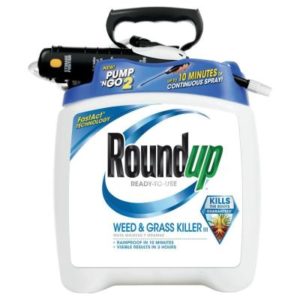 Humans are exposed to glyphosate and glyphosate residues all sorts of ways, including in the foods we eat, soil, air, and water. Glyphosate is used not only as a weed-killer, but also applied to glyphosate resistant genetically engineered (GE) crops such as soy, canola, corn, and also right before harvest (
 It has long been known that children living in congested cities have higher rates of asthma. All those vehicles, all that pollution. A recent
  Iodine is an essential mineral for health, especially during pregnancy, because it is needed for intellectual development and thyroid functioning. For years people bought iodized table salt at the grocery store in order to make sure that they have enough iodine in the diet. However, the use of other salts (e.g. Himalayan salt) that don't have added iodine, and following a vegan or vegetarian diet can increase the risk of iodine deficiency.