
 Recently there have been studies with conflicting results about the health benefits or harms from coffee consumption. Overall, it seems like moderate intake is OK and beneficial for adults, but too much may cause harm. And avoid caffeinated coffee if pregnant. Yesterday I posted about several recent studies finding health benefits from daily coffee consumption.
Coffee has anti-inflammatory effects, and contains more than a thousand chemical compounds. Over the years many studies found health benefits with regular and decaffeinated coffee, especially when a filter is used in the brewing process (e.g. drip coffee). But when the coffee is made by methods that don't filter the coffee (e.g. French press) the results may show harm, especially if large quantities are consumed daily.
The following are two recent studies finding that coffee consumption is associated with health benefits, and two studies finding potential harm from coffee consumption of over 6 cups a day. Note that whether the coffee is filtered or not may make a difference in results (the last 2 studies).
From (Jan. 11, 2021) Science Daily: Higher coffee intake may be linked to lower prostate cancer risk ...continue reading "Coffee Can Have Health Benefits, But Perhaps Harmful In Large Amounts"
 It has been known for a while that eating fermented foods and high fiber foods is healthy for us. A recent
  The results of a
  Some good news. A recent
  It has long been known that eating oily fish (e.g. salmon, sardines) has health benefits for the heart. But it also looks like regularly eating sardines may be a good way to lower the risk of getting type 2 diabetes, as well as improving heart health.
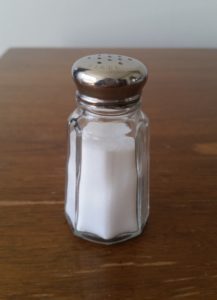 Iodine is an essential mineral for health, especially during pregnancy, because it is needed for intellectual development and thyroid functioning. For years people bought iodized table salt at the grocery store in order to make sure that they have enough iodine in the diet. However, the use of other salts (e.g. Himalayan salt) that don't have added iodine, and following a vegan or vegetarian diet can increase the risk of iodine deficiency.
 Well, the following findings make total sense. A recent
 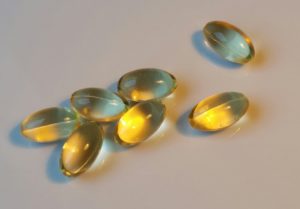 Once again a study finds that taking supplements can be problematic. This time it's fish oil supplements for heart health. Researchers
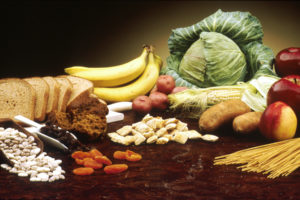 Another
  On the other hand, a diet rich in processed foods and lots of meat (an animal derived diet), is associated with microbes linked to intestinal inflammation - thus an inflammatory diet . Also includes foods with high amounts of sugar and alcohol. This type of diet is low fiber and considered a Western diet.